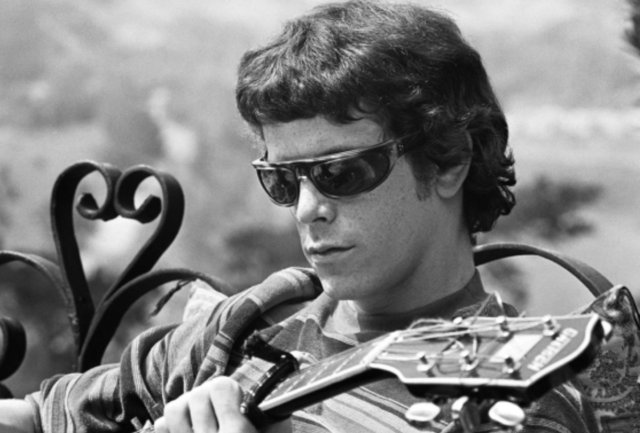
Still: Courtesy of Cannes Film Festival
An immersive deep-dive into the life and times of 1960s New York Avant Garde rock group The Velvet Underground, Todd Haynes’ at times mesmerising film feels very much like a completist gallery piece, both rich and thrilling in terms of its gorgeous attention to detail. There is considerable depth to this warts-and-all story, but Haynes also knows how and when to have fun in its telling.
While The Velvet Underground is set for international distribution through Apple TV+ it also cries out for big-screen outings. The sound design is exemplary; the use of split-screen hits just the right notes and expands the story rather than distract from it. Haynes crafts an absorbing and at times even seductive film that will delight fans of the music and those intrigued by the super cool era as defined by the likes of Andy Warhol, the Factory scene and the talented enigma that was the band’s front man Lou Reed.
One could argue that perhaps the film doesn’t delve enough into the drug-taking, the petulance and the scandals….but that would have made it just another music doc. Instead this is a beautiful and artistic piece that is both celebratory of the creative period and respectful of the band’s place in music history.
While much of the film is archival (luckily Warhol and the Factory types loved filming themselves in as many artistic ways of possible) it is blessed by a handful of contemporary interviews with surviving band members Maureen ‘Moe’ Tucker (drummer) and John Cale (keyboards and experimentalist). Other talking heads such as Amy Taubin, John Waters, Jackson Browne and (amusingly) Jonathan Richman help with perspective, but it’s the insider stories that give the film most resonance.
Haynes’ story of The Velvet Underground follows an essentially chronological process. John Cale describes his early years in Wales and subsequent experimentation with music, while Lou Reed’s youngster sister talks about their family upbringing. But it is when Andy Warhol becomes the band’s manager and they link themselves to his artistic hothouse The Factory that there is real momentum.
When Moe Tucker joins as drummer and Nico comes on-board as a singer, things become really serious as the band experiments with underground music, usually dominated by Lou Reed’s drug fuelled brilliance. Their sheer sense of hatred for the Hippie movement is genuinely funny, with the band determined to stay true to their origins as poet/musicians rather than become a traditional rock or – God forbid – pop band.
The departures from the band – usually through Reed’s devices – of Warhol, Nico, Cale and others is handled in very matter-of-fact manner, and overall the story of The Velvet Underground is presented as an elegant, artistic, brief moment in time. Guitarist Sterling Morrison was a key member, but oddly his personality rarely shines through in the film. Instead it is clearly always understood that no matter what really happened, it was the innovate and influential Lou Reed who was always the heart and soul of the band.
US, 2021, 120mins
Dir/scr Todd Haynes
Production Motto Pictures, Killer Films, Polygram Entertainment, Federal Films
Producers David Blackman, Christopher Clements, Julie Goldman, Todd Haynes, Christine Vachon
Cinematography Edward Lachman
Editors Affonso Goncalves, Adam Kurnitz
Music The Velvet Underground