An astute and gently insightful observational film that edges into anthropological examination at times, Tea Lukač’s Roots (Koreni), which screens in the East of the West Competition at Karlovy Vary, cleverly presents a layered and at times provocative look at contemporary Serbia, all shot from the back seat of a moving car.
The film is made up of a series of ‘chapters’, all of which are subtly different in tone, structure and context. Director Lukač never tries to be anything more than objective, but the themes covered make for a highly watchable film experience.
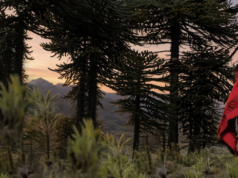
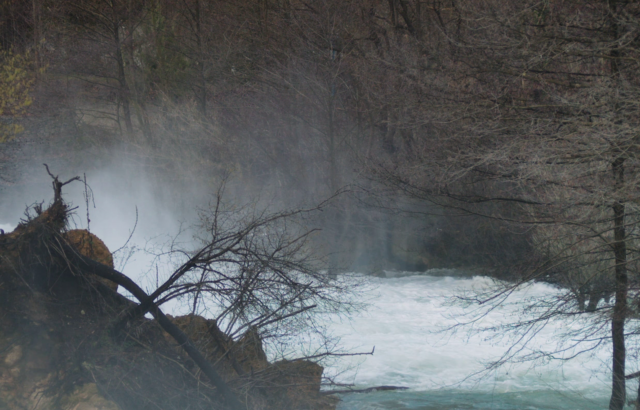
Roots opens with dark, beautifully composed and elegantly moody footage of wintery trees slowly starting to move in a gentle wind. The film returns to footage of nature (trees, rivers and other flora) between each of the chapters, with each of these rural re-sets acting as a charming and mellow moment of calm between in-car moments.
The first chapter features four young children dressed in various costumes, busily eating sweets (presumably a Hallowe’en haul) as they sit on the back street of a car, mulling over school stories and costumes, set against a soundscape of rustling sweet wrappers. The car moves slowly and only offers glimpses of houses and countryside behind.
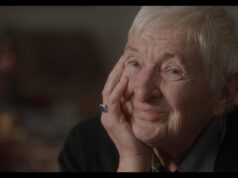
The second chapter is of a young man playing a video game on his phone. In a moment of near drama, what looks like a police vehicle overtakes the slow moving car…but this amounts to nothing in the end. The third features two women discussing a petition against a nuclear waste facility, while the fourth – and perhaps the most ‘dramatic’ – features an older woman talking to a younger one and detailing her tough life of abuse, rape and poverty, explaining how she fought to try and support her children and make the best of her life.
Other chapters include four folk dressed in traditional costume (two men and two women) singing; an elderly man talking about how he was badly stung by hornets as a youngster, lapsing into a coma and almost dying and then discussing his time in the military, while the final scene is perhaps more playful, offering up 10 minutes of a bag of food and other groceries in the back seat of the car. The hum of the vehicle and the glimpses of the landscape telling the story, until the darkness of the trees outside finally envelope the screen.
The film’s sensory experience meshes well with the vignettes – sounds (whether it be a ringing bell or rushing river water) blend impressively with the visuals – with Tea Lukač showing both control and restraint as she allows the participants to tell their stories. She shot the film in her hometown of Dvor in central Croatia, which she left for Serbia when she was six, due to the outbreak of the Balkans War. Clearly for her the stories and memories offer a glimpse into a place she left behind, but which are still an integral part of her own story.
Serbia, 2021, 80mins
Dir: Tea Lukač
Production: NANA 143, Set Sail Films
Producer: Andrijana Sofranić Šućur
Cinematography: Sara Preradović
Editor: Nataša Pantić