Irish director Dennis Harvey set the scene early during his pitch for the 90-minute Swedish/Irish co-production Celtic Utopia, budgeted at €500,000 and set to shoot September 2022.
“When I was born in Dublin in 1991, there was a war going on in the north of Ireland. It was illegal to be gay. You had to see a doctor to buy a condom. And there was a constitutional ban on abortion,” he said. Traditional Irish music was seen as synonymous with this stifling conservatism and the country’s youth wanted none of it.
“But fast forward until today and everything is changing. There’s peace in the north of Ireland, albeit a fragile piece, and youth led movements in the south have legalized gay marriage and overturned the constitutional ban on abortion. And now as Ireland marks 100 years of independence, more and more young musicians are throwing off the post-colonial shame and returning to traditional music,” Harvey explained.
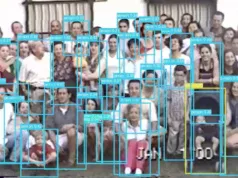
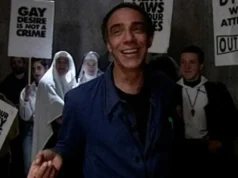
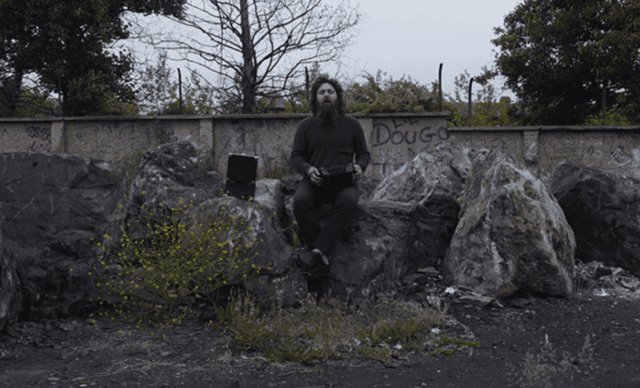
Celtic Utopia tells the story of these new folk musicians who are making music “to scare priests and politicians,” read the production notes, by exploring these strange new sounds which redefine an age-old form. The film will combine archive footage, original interviews and dynamic musical performances to tell this dynamic story of a nation’s evolving music culture.
“These young angry humouristic and creative artists often come from places like hip hop or punk music, and they are rewriting and reinterpreting the traditional music creating entirely new sounds,” explains co-director Lars Lovén. “In our film they will take us on a ballad tour through contemporary Ireland, passing the word onto each other, just the same way you would pass a song on in a trad session in a pub…We have beautiful archive material from the last hundred years of Irish history. And from that we will create standalone archive scenes that in a playful way work with what the musicians are saying and what they are singing about – sometimes underlining it and sometimes going against it.”
Swedish producer Elin Eriksson of MDEMC is looking to meet the €105,000 gap in the finances via another co-producer (to join Irish producer Clare Stronge of Plainsong Films) and/or pre-sales. The project has so far received financing from the Swedish film Institute, the Swedish Arts Council and the Arts Council of Ireland. Broadcasters on board are SVT (Sweden) and TV4 (Ireland).
“I believe that Lars and Dennis are the perfect combination to tell this important story,” said Eriksson. “As a young Irish person of a certain age, Dennis is exactly the generation that has been most disenfranchised and most left down by the action and in action of the Irish government post-Celtic Tiger, and Lars as a music journalist from Sweden, who’s already made a film about post-colonial identity expressed through music [Fonko, 2016], certainly has that external perspective and view on the Irish anger that is of immense value for the film,”
“Celtic Utopia is a very contemporary music documentary,” added co-producer Strong. “It will creatively weave together archive, interview an original music performance to tell the story of a post-colonial European country undergoing massive social change.”