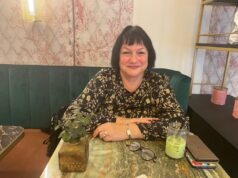
“We feel that over the four years of its development, MDAG Industry has become Poland’s key documentary hub and a place where local filmmakers can present the issues that matter at home, while finding international partners, funding and creative support to take those stories further,” Millennium Docs Against Gravity Head of Industry Anna Szczypińska told BDE during IDFA 2026.
“With CO-PRO [the festival’s new Industry initiative connecting documentary projects with producers looking for co-production partners], the pitching sessions, one-to-ones and training, it is where Polish docs are shaped and sent out into the world.”
MDAG Industry has expanded during these four years to include projects from Central and Eastern Europe, embracing immersive formats, and programs for short films and films for children and young audiences. “Now MDAG provides access to the Polish and regional documentary industry, international contacts, a variety of pitching formats, and a direct connection to the festival and our very much engaged audience,” Szczypińska adds.
“We work as a curated international gateway to Polish and CEE documentary talent, where East meets West. Unlike larger markets, we try to create a relationship-driven environment for developing, financing and promoting documentaries. Our unique mix of pitching forums, young audience and XR initiatives, familiar atmosphere and closeness to audience makes it a meeting point for the regional and international documentary industry.”
The list of films that have gone on to achieve great success after their initial pitch at MDAG Industry include Michał Marczak’s Closure which, after a meeting arranged in Warsaw, eventually world-premiered in World Cinema Documentary Competition at Sundance 2026, rendering it eligible for submission in the Best Documentary Feature category.
Nominated in the Documentary category of the European Film Awards is Letters from the Silenced Country by Andrei Kutsila, which was pitched at MDAG in 2022 and 2026. At Venice 2026 the film won the Golden Globes Impact Prize for Documentary, and at the recent DOK Leipzig 2026 it picked the Golden Dove for Best Feature-Length Documentary in International Competition.
MDAG CEO Artur Liebhart picks up the neighbours theme, emphasising how he and his colleagues “have a special eye on filmmakers from Ukraine and Belarus,” both for the festival and Industry programmes. “Producers often build co-productions ties at our fest and then apply to the Polish Film Institute for the support,” he says. “Participating in our pitch events gives the window to Western partners and festivals as well. MDAG is the home of their world or national premieres of the films.”
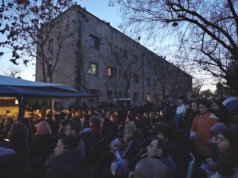
He further describes the “unique” format of MDAG, which screens simultaneously in seven cities, and which entails with Q&A sessions, local juries and awards, local events, “which has created a very special nationwide documentary film event which became the largest Polish film festival and the second biggest documentary festival in the world.”
“180,000 tickets sold during 10 days of festival screenings, and a 14-days online festival speak for itself, but there is still more to improve,” he adds. “I do not count in this number our year-round distribution activities with theatrical releases (2026: Mr Nobody Against Putin, Ghost Elephants, Candidates of Death, Closure, Whispers in the Wood and upcoming To Hold the Mountain and Mystery Package), sales to broadcasters and streamers of MDAG titles.”
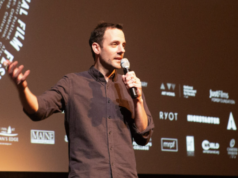
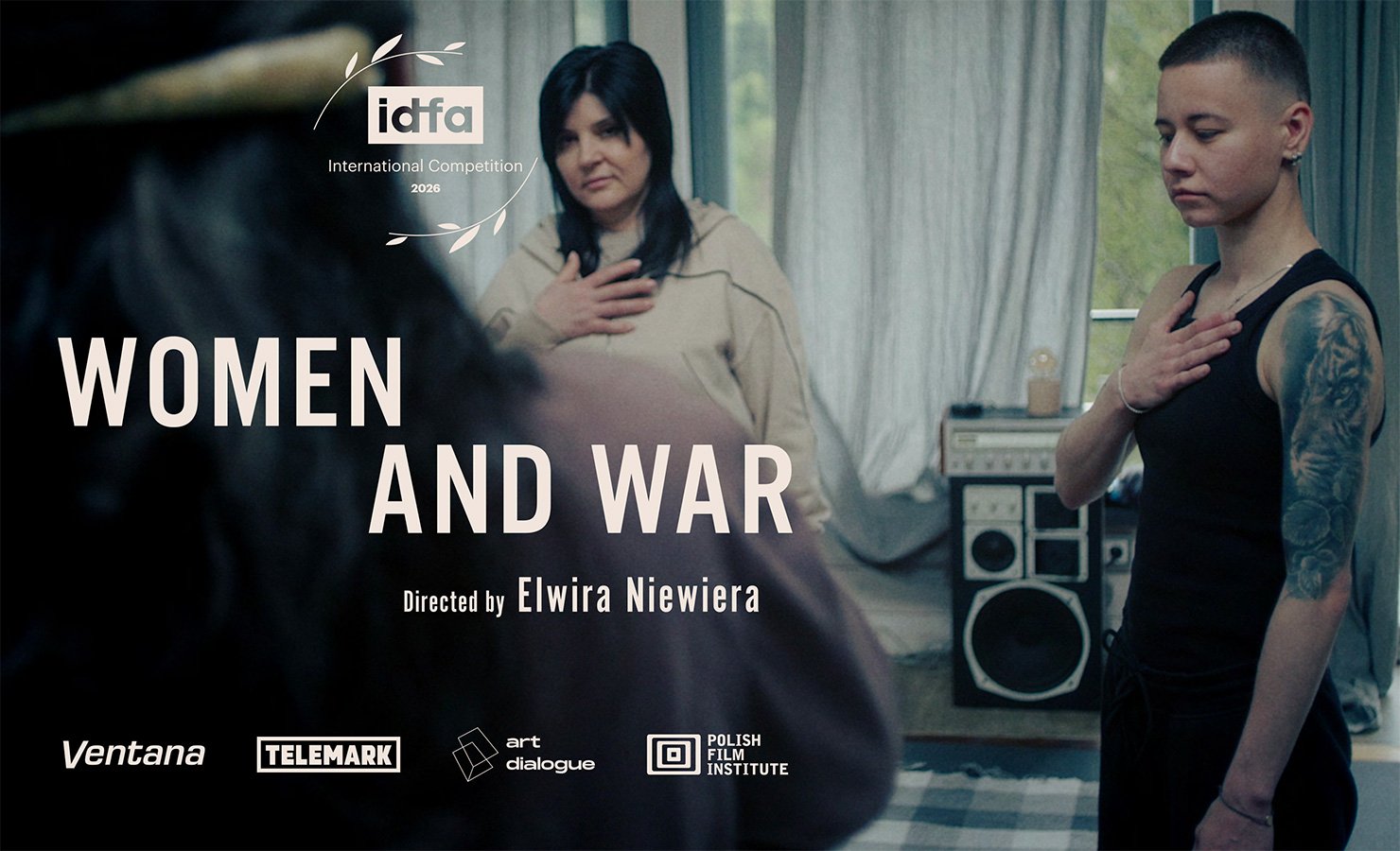
Artistic director Karol Piekarczyk “pulled back the curtain” on some of the titles he has already selected for the 2027 edition. These include the IDFA International Competion picks Women and War by Elwira Niewiera, and Bardi by Tala Hadid.
Amongst the works from the Venice Film Festival MDAG audiences will be able to see is the “exceptional” archival documentary Queer Edward II by Theo Rollason (recipient of the Queer Lion Award in Venice). “We will also have a special screening of Jarman’s Edward II, because one of the things you really want to do after seeing Theo’s film is to see the fiction film that was being made by one of the most iconic filmmakers of our time. Another incredible gem from Venice is Boatbuilders by Luke Lorentzen, which in a sublime and slow paced way shows us a world where craft and work have a deeper meaning, one which we have lost in our world.”
He will also programme Blossoming by Kamila Serwicka, which was awarded in Locarno’s Critics Week. “This daring debut, where the filmmaker is also one of the film’s protagonists, balances the nightmare of domestic abuse, with a story of one family’s women who come together to support each other and undauntedly face the truth.”
Piekarczyk further talks about the very special and responsible role that festivals, and especially doc fests, play during times of political and existential strife.
“Each year we experience, as festival organisers, how documentaries can resonate with the audiences. It is not always on a global scale, [like Naza and Citizen Osama], but very often it is on a much more intimate psychological level,” he says. “Even though documentary filmmakers are very cautious about the idea of what truth is, there is undoubtedly something in the protagonists of these films that make us, the viewers more empathetic towards them. And this in turn allows for a deeper reflection about our surrounding world.”
“This year, for example, we opened the festival with Closure by Michał Marczak. A tale of a father looking for his son, who very probably jumped into the Vistula river in Poland,” he reminds of the film which world-premiered to acclaim at Sundance 2026. “Then in September we released the film in Polish cinemas, also focussing our efforts on showing the film to younger audiences. We have had young people talk after the screenings about their own struggles and about how the film has motivated them to talk to their parents. These seemingly small stories have often a stronger meaning for me than films gaining mainstream attention. It gives us hope of building our communities from the ground up.”
“This is why we also see great value in using documentary cinema as an educational tool. Each year we are developing more and more our programme for young audiences. This goes beyond the festival, taking place all year round. From screenings for high school students to special documentary courses which we have at several universities in Poland,” he adds.
CEO Liebhart points out that for many years the Main Competition (and by extension, the local competitions) has achieved gender parity among its directors. “We do not exercise a particular challenge doing this,” he says. “Every year it left us a bit wondering why it is a problem for other events. Overall the MDAG film program is close to gender parity every year. And since 2026 FIPRESCI has announced The Documentary Grand Prix of the year at MDAG opening gala and thanks to our collaboration with Cannes Docs, this new Award quickly becomes known among doccers.”
“To wrap up this long answer, MDAG has achieved national brand status and our team takes it more as a responsibility than just a reason to celebrate. We influence the film industry in Poland,” Liebhart ends.