At Doclisboa, producer Bruno Moraes Cabral of Wonder Maria Filmes presented the feature WIP Uncertain Roof, directed by Claudio Carbone, which addresses head-on the problems of housing in Portugal, specifically the number of houses that remain empty despite the needs of so many homeless people.
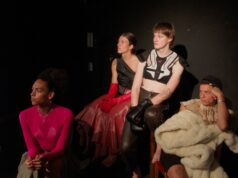
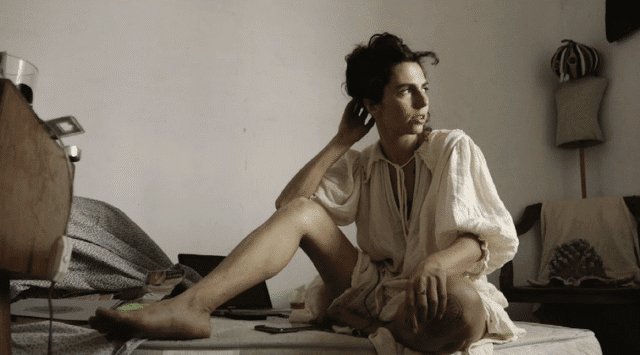
In an abandoned building in Lisbon, young people build an Epicurean community where art, affection, and resistance intertwine in a collective struggle for the right to housing. Core to the group are Selma and Duarte, two young artists and students, who occupy empty flats in defiance of eviction-driven policies, all the while reinventing the notion of ‘home’ through communal living, art, and resistance.
As a counterpoint, the choir of the Kantata of the Uncertain Roof sing their powerful songs of protest against housing injustice, acting like a Greek chorus.
Director Carbone followed Selma and Duarte over the course of nearly three years. The filming, always conducted solo, was made easier by the fact that the building they occupied was located in his own neighbourhood, and by the close friendship he developed with his protagonists.
The 90-minute documentary, currently in editing phase, is set for April 2026 delivery.
“As a documentary filmmaker, I’ve followed movements claiming the right to space in contexts from Mexico and Costa Rica to Rome and Lisbon. In each project, I try to reflect on the everyday lives and collective desires of communities that resist displacement and alienation,” says director Carbone.
“Lisbon, where I now live, became a key setting for my work. The city embodies a global housing crisis at a local scale, where intimate stories unfold within wider tensions. At the heart of Uncertain Roof is the occupation of an abandoned building—a radical yet deeply human act of reclaiming space. Though illegal, this gesture becomes a form of resistance and a cry for the right to dwell, dream, and organize collectively.”
Producer Moraes Cabral underlines the “privileged access to life inside a squatted building” that this film affords.
“These are abandoned buildings brought back to life, sometimes through agreements with their owners while renovation projects are being developed, as is the case in Uncertain Roof, and at other times through unauthorized occupation,” he says.
“Through his cohabitation with the residents, the film explores an alternative form of collective organization for the right to decent and affordable housing, following a group of young people who came together to live in the city centre. The protagonists are street artists and visual artists, which adds an aesthetic dimension to the film that contrasts with the precariousness of their daily lives,” he adds. “They play an active role in their community, which reinforces the dignity and autonomy with which they build their lives.”
Of director Carbone, the producer adds: “Claudio’s intimate approach avoids paternalistic or condescending portrayals of life in occupied spaces. Filming is complete. Claudio shot dozens of hours of material throughout the occupation cycle, up to the moment when the group reorganized and began searching for a new place to live.”
“We are looking to discuss the film with who is interested in it and to receive a final cut when it’s ready to be shown,” Cabral stressed to the professional audience in Lisbon. “I think it really can reverberate with what’s happening in all major cities around all European cities who also have this huge housing crisis. And we’re also planning an impact campaign around these topics.”