It’s easy to become anaesthetised to news of war that still rages after the world has moved on – but focus in on a personal story and we are encouraged to empathise once more, to understand the far-reaching consequences experienced by ordinary people thrust into extraordinary situations.
Kateryna Holovko and Marharyta Melnychuk’s feature doc Missing in Action follows the fate of determined and resilient Natalia, living in the Ukrainian town of Horodnya near the Russian border, whose brother Vitaliy has been missing in action since March 2023.
Suffering from survivor’s guilt and unable to let go of thoughts of her brother, she tirelessly searches for answers about him, but finds none. Having lost her job, she is faced with financial difficulties, so she returns to her previous job as a customs officer and moves to another city, but this decision does not bring her the happiness she seeks. At the same time, she helps others to search for their own missing loved ones.
Reflecting on her current life, the synopsis concludes, Natalia decides to fulfil her dream and get a master’s degree in psychology. Will Natalia find peace by helping others?
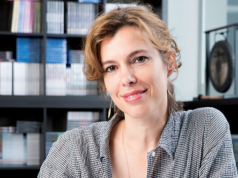
“We are seeking collaborators who share our values and are just as committed as we are to bring this story to life,” Ukrainian producer Aliona Kachkan of TABOR told BDE ahead of her MDAG Progress pitch for the project.
“Although the film is rooted in the context of war, the theme of disappearance extends far beyond it,” Kachkan continues. “It touches on the broader, universal experience of absence, unresolved grief, and the human need for closure, whether caused by migration, political repression, social injustice, or natural disasters. Around the world, people are still searching for missing family members. Missing in Action opens a necessary space for global dialogue around memory, justice, and the human cost of disappearance. It invites viewers to reflect on how societies remember those who vanish, how they support those left behind, and what it means to live with unanswered questions.”
Directors Holovko and Melnychuk bring a unique perspective as young filmmakers, suggests Kachkan. “Being in their mid-twenties means that they are part of a generation that will deal with the aftermath of war, making their storytelling particularly relevant.”
Like many successful working partnerships, the two directors have quite different, but complementary skills. Kachkan expands on what makes the two tick from a directing perspective.
“Marharyta, acting as both the director and cinematographer, can capture intimate, in-depth scenes thanks to the trust she builds with the protagonist. Kateryna, with her background in directing narrative films, is highly skilled in both the pre-production and on-set stages. Together with Marharyta, she plans each shot thoughtfully, making sure the visual storytelling aligns with the emotional tone of the film.”
“This mix of skills and styles,” continues Kachkan, “allows them to support and challenge each other, making their collaboration particularly strong, bringing a fresh and powerful approach.”
Both directors share a strong bond with their main protagonist, Natalia, which translates into a deeply human and authentic portrayal on screen, Kachkan suggests. Their cinematic approach is well thought-out, and will draw on a variety of styles, with a mix of archival footage, participatory narration, observational work, and visual effects to underline the tone and emotion of any given scene, she adds.
What’s more, the pair have planned their approaches in great detail, carefully considering the audience experience each technique will engender. Kachkan gives BDE a comprehensive tour of how each approach will tell their story.
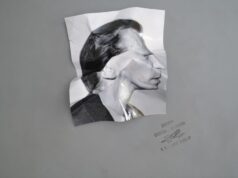
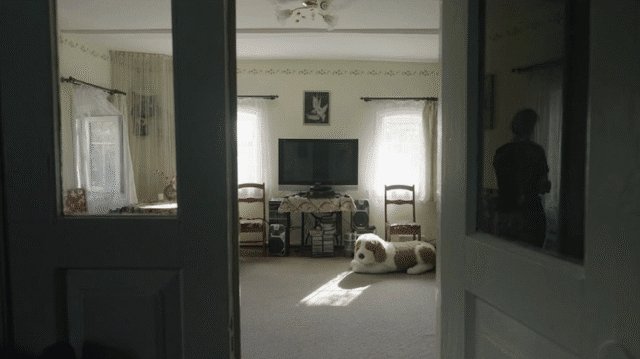
“The film will be shot primarily with natural light, using observational camerawork to maintain a strong sense of presence and authenticity. A key element of the film’s look will be the integration of archival materials. To visually construct the character of Vitaliy, the missing brother of our main protagonist Natalia, we plan to work with family photographs and videos, as well as recreate selected images using the same locations and poses. This contrast between past and present will heighten the emotional weight of Natalia’s loss and create a layered visual narrative.”
“The environment will play an active narrative role,” Kachkan adds. “Natalia’s deep emotional connection to her hometown will be conveyed through wide CinemaScope frames, capturing vast, often empty landscapes that emphasise her solitude and sense of displacement. The colour palette will begin with cold, saturated tones to express alienation and grief, gradually shifting toward warmer hues as Natalia moves closer to a sense of emotional balance.”
Once Missing in Action is complete and edited, a 2027 film premiere at an international film festival is planned, with a release strategy already in place, including support from Suspilne, Ukraine’s public broadcaster, through a grant which secures national TV broadcast as part of the deal.
“TABOR’s proven track record with debut documentaries such as Fragments of Ice (Visions du Réel, 2024) and Nice Ladies (Hot Docs, 2024) ensures a strategic approach to reaching diverse audiences,” adds Kachkan. “We plan to collaborate with an international sales agent to [navigate] the festival circuit and manage distribution across Europe, the USA, and beyond.”
At MDAG, the team aim to find a partner or co-producer who can join the development stage of their project and work with them to apply for funding from their national or regional film funds.
“Most importantly, we are seeking collaborators who share our values and are just as committed [as us] to bring this story to life,” says Kachkan.
Kachkan underlines that it is important to secure partners in the near future for the project. “We plan to shoot several key scenes this summer, so connecting with potential co-producers or investors who could support these shoots would be especially valuable. Any constructive feedback or advice would also be greatly appreciated.”