Kata Oláh’s Ágnes Keleti – Conquering Time
Hadar Porubanova, managing director of the world sales and distribution firm Ruth Films, outlined her company’s slate as well as its editorial policy, and the latest market trends in the field of doc sales and acquisitions.
“The general climate in the documentary world is very positive after the pandemic. We can clearly feel our colleagues from the industry are happy to meet in person again at festivals and markets,” she commented on the current climate for doc sales
“Besides, we can sense there is a growing number of new documentary productions. We were offered an unprecedented number of films this year, and only few of them could make it to the Ruth Films’ catalogue. We try to keep things intimate, while picking subjects that are less covered by mainstream cinema,” she added.
Porubanova confirmed that the firm is organising online meetings during IDFA Industry.
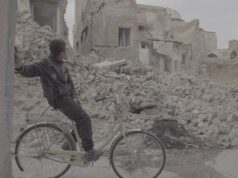
The first picture of Ruth Films’ line-up is Mira Erdevički’s Leaving to Remain (a co-production between Slovakia, the UK and the Czech Republic), which world-premiered at Ji.hlava last month. The feature, labelled by the Czech gathering as “a multilayered, rather intimate documentary,” sheds light on the challenges faced by the Roma community and focuses on Ondřej, a student and teacher; Denisa, a lawyer; and Petr, a policeman. All of them are Romani who have enjoyed a world of opportunity in Britain, something that’s hard for them to come by in the Czech Republic and Slovakia.
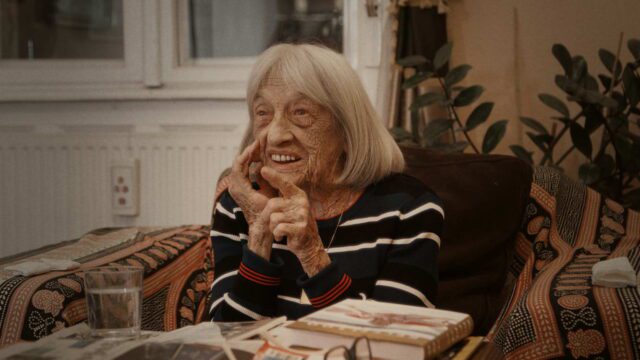
The second title is Kata Oláh’s Ágnes Keleti – Conquering Time, which world-premiered at Cinefest. At the Hungarian gathering, the picture snagged the prestigious FIPRESCI Award. Oláh’s doc tells the story of the titular sporting legend, who defeated both her rivals and the existential threats to a Jew living through the turmoil of the 20th century. Using never-before-seen archive footage, this intimate portrait of the life of Ágnes Keleti, the oldest living Olympic Champion and role model for generations of gymnasts, is shown for the first time on film.
Coming up next is Aalam-Warqe and Kobi Davidian’s Honey Trap, which world-premiered at the Haifa International Film Festival. Set in the troubled Kiryat Moshe neighbourhood on the outskirts of Rehovot (home to a large Jewish Ethiopian community), the picture zooms in on Hana, a single mother who is worried about her teenage son. The woman catches the opportunity for a change which will keep him away from drug dealers in the neighbourhood. She joins forces with Kevret, the young head of the tenants’ committee, to lead the neighbourhood residents. Both embark on an eight-year path for change through the bureaucratic paths of politicians and real estate sharks. All rights are available for these first three films.
The line-up is rounded off by Pamela Sturhoofd and Jessica van Tijn’s Truus’ Children and Maya McManus Ronen’s Moving On. Truus’ Children centres on Dutch resistance hero Truus Wijsmulle, whose story was kept hidden for over 75 years. In it, the two filmmakers uncover the portrait of “a woman so dedicated, stubborn, and convinced of her mission that she flew to Vienna in December of 1938 to negotiate a deal with Adolf Eichmann to let nearly 10,000 Jewish children leave their birth countries and flee to England.” Finally, Moving On is set in Neot-Semadar, a unique self-learning community in a remote desert area of Israel, wherein every couple of years everybody switches houses. Nobody knows in advance where they will move to, leading to an inner journey of self-observation and existential musing.
When asked about the current acquisition trends, Porubanova commented: “There is a lot of space given to Ukrainian productions obviously, but we try to support the Russian independent cinema as well. We have been approached by a number of Russian filmmakers who are experiencing real difficulties in accessing international distribution, and we are considering every production by its cinematic qualities and our door is always open for a good documentary film.”
On the topic of the company’s editorial policy, the Ruth Films boss said: “For over 20 years, Ruth Films has been a leader in selling quality independent films worldwide. Ruth Films’ cata
logue represents artistic excellence with compelling works addressing Israeli life, arts and culture, Jewish history and Middle East[-related topics] and challenging the common forms in documentary cinema. In other words, we believe in cinematically excellent and smart cinema.”
Ruth Films acquires up to ten documentaries each year. “It is important for us to give enough attention to every film we handle. Before the pandemic, we have been attending a large number of festivals and markets, but our presence at markets is now much more selective, especially when online screenings are a viable option.” Porubanova concluded.