Burning Daddy and The Boy Girl and the Gothik Whale are the Chilean documentaries at final edit stage selected for the May 18 Docs-in-Progress Chile & Colombia Showcase at Cannes Docs. For the first time Chilean docmakers are joined by Colombian counterparts who will present two projects; Chilapa’s Girl, directed by Juana Lotero, and Antipodal Dreams, by Juanita Onzaga.
For Chiledoc, the organization dedicated to promoting Chilean documentary talent and productions worldwide, this year once again underlines the ever-growing reputation of Chilean non-fiction cinema. “Our documentary films generate high expectations in international markets. Proof of this are the sold-out presentations we have held at the Marché du Film and the awards received for five consecutive years at Cannes Docs,” comments Paula Ossandón, Director of Chiledoc.
“Behind this is a great deal of work and filmmakers willing to explore new narratives, delving into subjects that resonate with audiences and are therefore highly valued within the industry,” she adds.
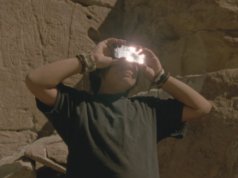
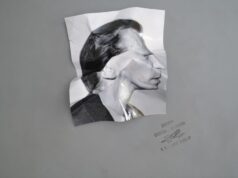
The Showcase project Burning Daddy explores “the intimate reconstruction of a father figure marked by deception and violence, using visual and digital tools that challenge the boundaries between documentary and fiction,” and marks the return of Tana Gilbert and Paola Castillo to Cannes Docs following the successful international journey of Malqueridas, previously awarded at Cannes Docs 2022, and later recognized at Venice Critics’ Week.
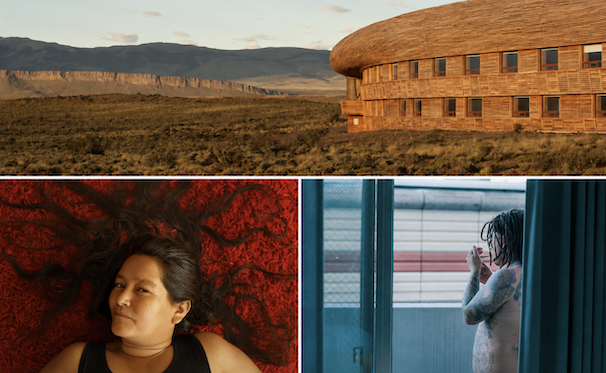
The second Chilean Showcase project, The Boy Girl and the Gothik Whale, delves into Buenos Aires’ underground drag scene through the character of Orka Gótika, while its director simultaneously undertakes a personal process of gender transition and identity exploration. The project has previously participated at IDFAcademy and DocuLab Guadalajara.
Colombian project Chilapa’s Girl follows Yulieth over several years as she grows up in a border territory marked by machismo and violence, exploring teenage motherhood, gender violence, and state abandonment through an observational and ethnographic approach.
Meanwhile, Antipodal Dreams proposes a hybrid experience between documentary and fiction, in which a young Colombian dancer seeks to process the death of her brother, murdered during a social uprising violently repressed by the state. “Through dreams, bodily memory, and collective creation, the film constructs a poetic journey connecting Colombia and Thailand, reaffirming Juanita Onzaga’s interest in exploring new cinematic forms through hybridity and formal freedom in order to engage with memory, the invisible, and political processes in the Global South,” the filmmakers note.
Alexandra Galvis of CinemaChile comments: “For years, Cannes has made a strong commitment to documentary cinema, and its increasing specialization has enabled the participation of the industry’s most important players. The showcase presented by Chiledoc together with Proimágenes Colombia is a privileged platform to present the very best of what’s to come, and in a year when Latin American presence is especially limited, the Chilean lineup becomes something truly exceptional.”
Carlos Moreno, Director of Promotion at Proimágenes Colombia, emphasises how “both countries are committed to collaborative construction, working under the notion of a network. We share narrative forms that dialogue with one another, and this collaboration strengthens those points of encounter from a regional perspective.”
Chile also plays a key role in one of the projects pitched in the Docs-in-Progress Spanish Showcase. Artifacts of War, directed by Jorge Caballero and co-produced by Spain, Chile, and Colombia, investigates the global circulation of “less lethal” weapons through archives, arms fairs, and forensic analysis technologies. Chilean producer Diego Pino Anguita will attend on behalf of production company Cangrejo Films.
In the Marché, Chilean filmmakers will present projects that “expand the formal boundaries of the genre, incorporating animation, digital experimentation, and hybrid formats,” as exemplified by two productions by CUBHO Audiovisual. These are Escazú Soul, an animated documentary series directed by Nicholas Hooper and produced by Isidora Fajardo, focusing on the murders of environmental activists in Latin America; and Gondola, an animated documentary feature by Pablo Cuturrufo, produced by Isidora Fajardo, exploring digital culture, memes, and the circulation of images on the internet.
Also participating in the Cannes Marché are Architects from the World, a documentary series directed by Tana Gilbert and produced by Clara Larraín and Daniela Raviola, portraying Latin American women architects developing new forms of construction linked to the territories and communities where they live; A Place of Absence by Marialuisa Ernst, co-produced by Bolivia, the United States, and Chile, and focused on migration and forced disappearance; and Pablo from Chill-e, directed by Tomás Alzamora and produced by Pablo Calisto, which profiles the influential Chilean urban music artist Pablo Chill-e.
Francisco Undurraga, Chile’s Minister of Cultures, Arts and Heritage, comments: “The presence of Chilean cinema across different sections of the Cannes Film Festival and the Marché du Film demonstrates the diversity, vitality, and competitiveness of our national audiovisual ecosystem. Those representing us are true ambassadors of our country and carriers of our cultural identity.”
ProChile Director General, Ignacio Fernández, notes how Chile’s burgeoning film sector “goes hand in hand with the growth of exports from companies providing services to this industry. Participating in the Marché du Film allows us not only to maintain and strengthen Chile’s presence in world cinema, but also to identify new business opportunities for these companies.”