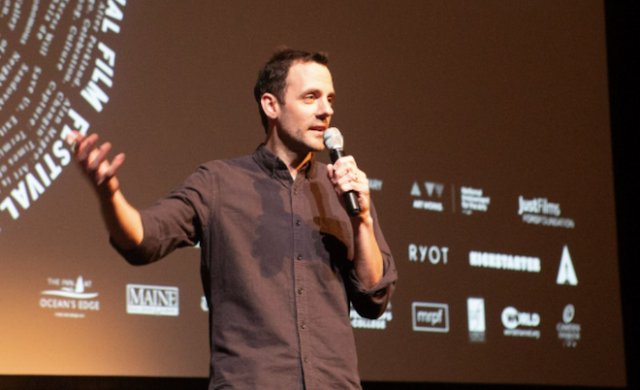
As founder and artistic director of the Camden International Festival in the US, an event he ran for two decades, Ben Fowlie already had experience of running a top documentary event. Now London-based, he last year together with colleague Vi Courtois launched LDNDOCS, billed as an “intimate showcase of cinematic nonfiction in central London.” The second edition will be taking place next week (20-22 Nov) at the Bertha Doc House in the Curzon Bloomsbury venue.
Not only has it attracted around 15 of the year’s top feature docs (including such award winners and award contenders as Nuisance Bear, American Doctor, Once Upon A Time In Harlem and Rehearsal For a Revolution), it has also lured most of the filmmaking teams to Brunswick Square to discuss their films with the audience.
What makes that achievement all the more striking is that LDNDOCS happens in the same month as IDFA and DOC NYC.
Fowlie moved from the US to London four years ago, originally working at Universal Pictures Content Group in their ‘Originals” department. “When I left that post, once they had their team set up, I really jumped in to what I have been wanting to do my whole life, which is to get involved more in the creative process as a producer,” he says.
Fowlie is involved as producer or executive producer on three of the best received documentaries of the year, Queer Edward II and Boatbuilders (both Venice premieres), and To Hold A Mountain (a Sundance Grand Jury Prize winner). In the meantime, he is currently in the thick of LDNDOCS.
“When I got out of the more corporate side of the industry, I realised I did miss the exhibition side of things. I need a creative community,” he remembers.
With LDNDOCS, Fowlie and Courtois wanted to create an intimate, affordable documentary event that could unfold over a single weekend. This year, it will allow audiences to “sit down with Barbara Kopple, Sara Dosa and Liani Greaves in a cinema with 150 other people and really have a special moment,” he name checks three high profile figures attending. “It [the festival] was kind of what I was hoping to find in London. I hadn’t found it yet and so decided to build it.”
Fowlie rhapsodises about the event’s location in a part of the city that not all tourists know. “When I mentioned the idea to people, they were, like, yeah London is 9 or 10 million people. Good luck trying to create an intimate festival in a city that size.”
His response was always: “have you been to Bloomsbury? It’s leafy, it’s central but it is quieter. When you’re in that space, you feel that you could be in the countryside.”
Fowlie also realised that “everyone is in London at the end of November.” A lot of the US documentary industry will “make a pit stop” here at the end of IDFA before returning home. European filmmakers, beginning their awards campaign, may well be in town for private screenings.
“I felt like I had a responsibility to a certain extent knowing there is an entire community of documentary filmmakers in the city to bring everyone together and to mark it on the calendar,” the event’s co-founder continues.
Audiences include both the public and professionals (among them awards voters). A festival screening with a “mixed audience” makes an excellent platform for any film on the campaign trail. Individual tickets are on offer as are passes for the entire event. “And there are good parties!”
LDNDOCS even has one world premiere of its own, Khosha: The New Land, directed by Gakemotho Satau and Zander Botha and produced by Randy Gebhardt. This follows eight members of the Khwe community in Botswana, part of one of the world’s oldest living cultures, as they search for a new home. This will screen alongside To Hold A Mountain as part of a special focus on indigenous rights – and there will be a reception with speakers from various universities addressing issues the films raise.
The festival has some heavyweight partners, among them Apple, Nat Geo, Netflix, Neon, the London-based platform We Present, the foundation Random Good, and, of course, Curzon and Bertha DocHouse too.
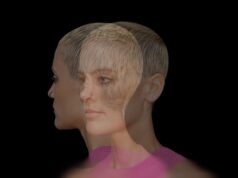
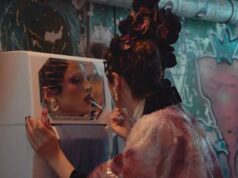
Fowlie was brought on board as producer of Queer Edward II at an early stage by Ahmad Ahmadzadeh, the owner of Aimimage, the company which held the extraordinary behind-the-scenes footage shot by Seamus McGarvey during the making of Derek Jarman’s 1991 film, Edward II. The producer remembers being startled by the quality of this archive material which, at that stage, director Theo Rollason was already developing into a potential feature film.
“The energy of the archive was what I was drawn to most,” he recalls. He talks of Jarman’s “incredible moral compass” and his groundbreaking work as an artist-activist in an era of rampant homophobia. “He was creating work that speaks to the time and can withstand the test of time.”
Rollason had “such a clear vision for what they wanted to do. I felt very comfortable in Theo’s hands. Here, we’ve got incredible content and an incredibly talented young filmmaker. What they need is the support to say look here is a creative cocoon for you really to dive in.”
Now, Fowlie is plotting how best to bring Queer Edward II to North American audiences, where Jarman is far less well known than in Europe. “We are excited about using this film to really introduce a younger audience in the US to the body of work that Derek left behind.”
North American release plans for the film will be announced in due course but Fowlie confirms that they’re “looking to get Theo on the road in the US.” Sales on the film are handled in the US by Christine D’Souza and Julia Nelson at After Hours and in the rest of the world by Cinephil.
For the next few days, Fowlie’s focus will be on LDNDOCS. This may be a small boutique event for now currently but Fowlie doesn’t discount it growing.
“We love the intimacy we have. Working with Curzon allows us to think about how we could expand into the Soho region,” he suggests, adding: “as much as London has to offer in terms of so many great screenings and festivals, an accessible documentary-specific festival is certainly needed.”