Geoffrey Macnab

IDFA Int’l Comp interview: Crack in the Head, Crack in the...
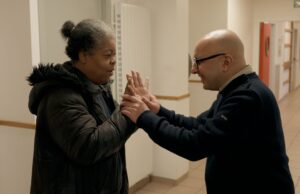
In a psychiatric ward in the suburbs of Paris, money is running out, staff are leaving and the place is falling apart. It looks as if the unit will be closed. Director Mehran Tamadon, who has been running workshops with the patients here for a decade, comes up with an unusual idea. Why not let the patients take over, or at least play at doing so? “My question is how, with documentary, we can propose another reality than the reality we see,” he tells BDE.
Awards/IDFA Signed interview: My Undesirable Friends: Part II – Exile by...
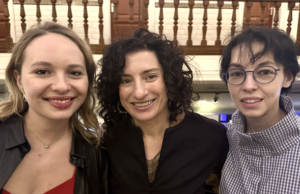
The Russian/American director (centre) sat down at IDFA with Business Doc Europe, together with co-director Anna Nemzer (former editor in chief of the banned news outlet TV Rain, right) and journalist Valeria Ratnikova (left), to discuss the story of the journalists’ flight from Putin’s Russia. “I think my colleagues did something incredible, something that I wasn’t sure was possible at all,” says Nemzer. “Russian independent journalism has survived as an institution.”
BDE interview: Ben Fowlie, co-founder of LDNDOCS
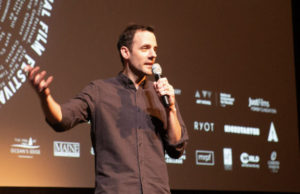
As founder and artistic director of the Camden International Festival in the US, an event he ran for two decades, Ben Fowlie already had experience of running a top documentary event. Now London-based, he last year together with colleague Vi Courtois launched LDNDOCS, billed as an “intimate showcase of cinematic nonfiction in central London.” The second edition will be taking place next week (20-22 Nov) at the Bertha Doc House in the Curzon Bloomsbury venue. Fowlie talks doc with BDE.
IDFA Int’l Comp: Down the River by Ruslan Fedotov
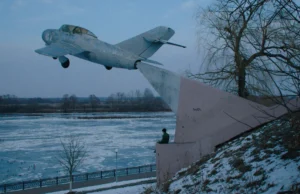
Ruslan Fedotov grew up in Mogilev, a city in eastern Belarus that is on the banks of the Dnieper River. His idea for his feature documentary was to document the lives and experiences on the river of a younger generation in Russia and Belarus. However, as he soon discovered, when you explore the river, you can’t escape traces of the past. “When war started, it [the film] had a completely different meaning.”
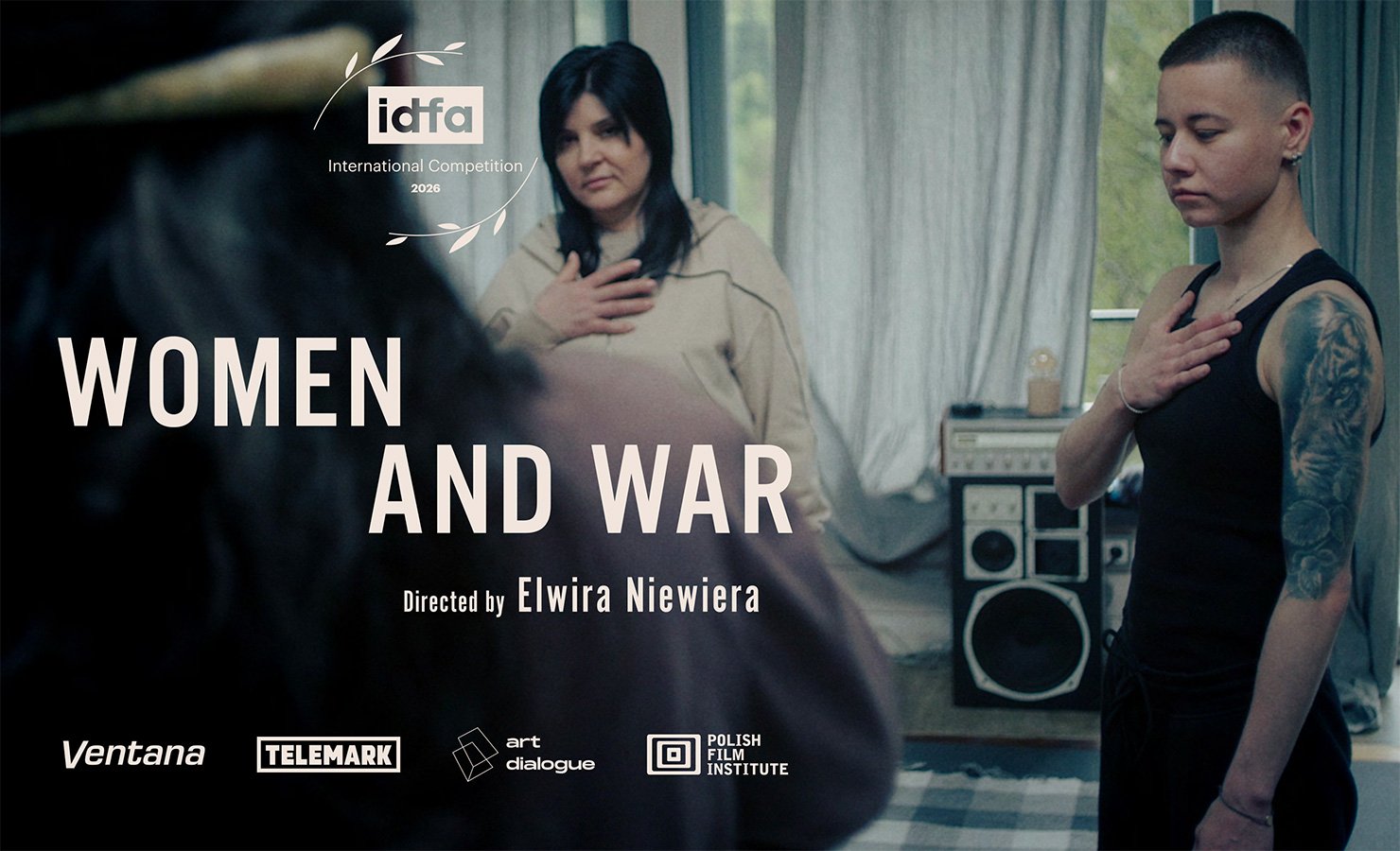
IDFA Int’l Competition: Women and War by Elwira Niewiera

Elwira Niewiera’s feature documentary, world-premiering November 15 in Amsterdam, follows four Ukrainian women who have endured horrific experiences - torture, sexual violence, long-term imprisonment, terror and bereavement - since the full-scale Russian invasion of 2022. The director acknowledges to BDE how, while making the documentary, and learning the terrible things people can do to one another, “you begin to lose trust in humanity. That was one of my motivations for making this film, also to show the inner strength and resilience the women have to overcome the worst evil.”
IDFA interview: Charlie Phillips, Programme Director, Documentary Association of Europe
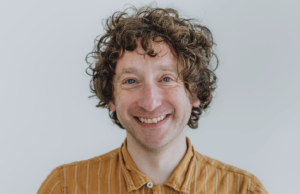
Effervescent Folkestone-based producer and consultant Charlie Phillips, former Head of Documentaries at the Guardian, has only been Programme Director (Advocacy and Curation) at the Documentary Association of Europe (DAE) since September, succeeding Brigid O’Shea, but he is already putting his indelible stamp on the organisation. “I see us like a trade union, a trade body [that can offer] protection in a very hostile world,” he tells BDE.
IDFA DocLab Competition for Immersive Non-Fiction: The Invisible Woman by Tamara...
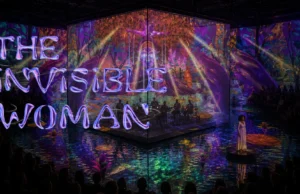
Emmy award-winning artist and filmmaker Tamara Shogaolu returns to IDFA with what she terms “a multi-platform opera experience,” about a Black female influencer living in Amsterdam 400 years ago. It is a project with personal resonance. “Often, it is people of colour who are never ‘European,’” she says. “People of colour and migrant backgrounds are still made to feel they do not belong today, despite having been part of Dutch society and shaping the Netherlands for centuries. That resonates with me in my own experience.”
IDFA Signed interview: The Mayor by Mijke de Jong
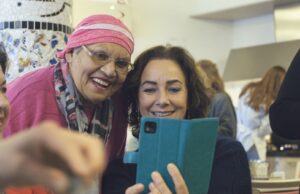
Dutch doyenne Mijke de Jong followed Amsterdam mayor Femke Halsema with her camera for “nearly a year” to make The Mayor: Halsema & Amsterdam (which receives its world premiere in IDFA before its broadcast in the Netherlands on NTR on December 27). “We are more or less from the same generation. We were both politically active in the 1990s,” says the director. “I was involved in the squatter movement while she was working within the political system as a member of the Parliament.”
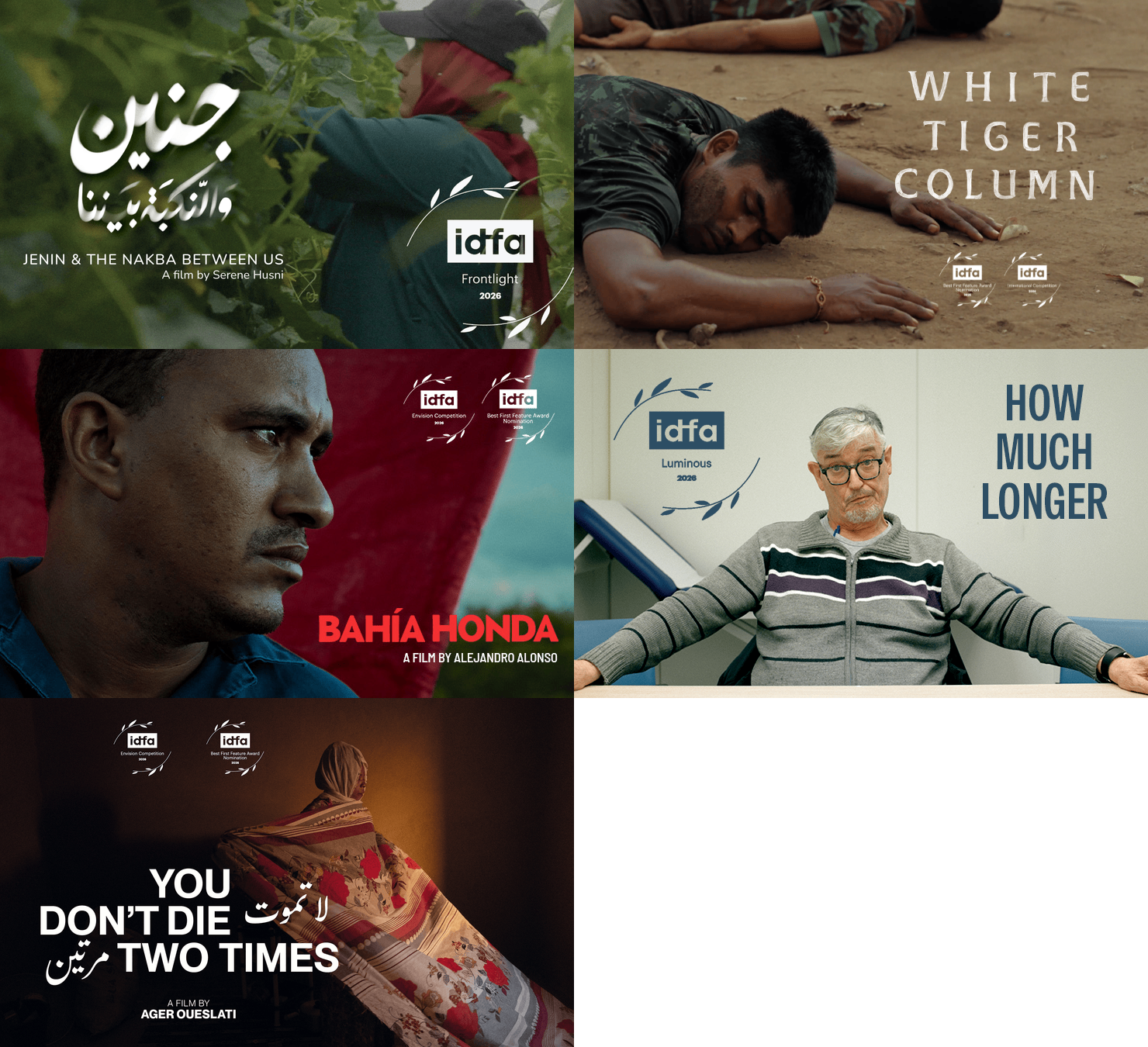
IDFA opening film interview: White Tiger Column by Bryan Dickie, Robert...
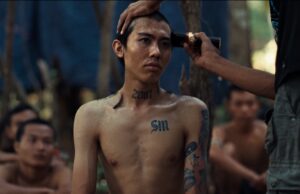
White Tiger Column records the experiences of raw young resistance recruits in Myanmar, some of whom may never have held a weapon before, as they undergo a 45-day crash course training programme before being sent to the front line. The bitterness of some of the recruits is also palpable. Their loved ones have often been killed and tortured by the junta and many are thirsting for revenge. “I am saddened and my heart breaks every time I hear things that the military government has done to people,” co-director Bryan Dickie tells BDE.
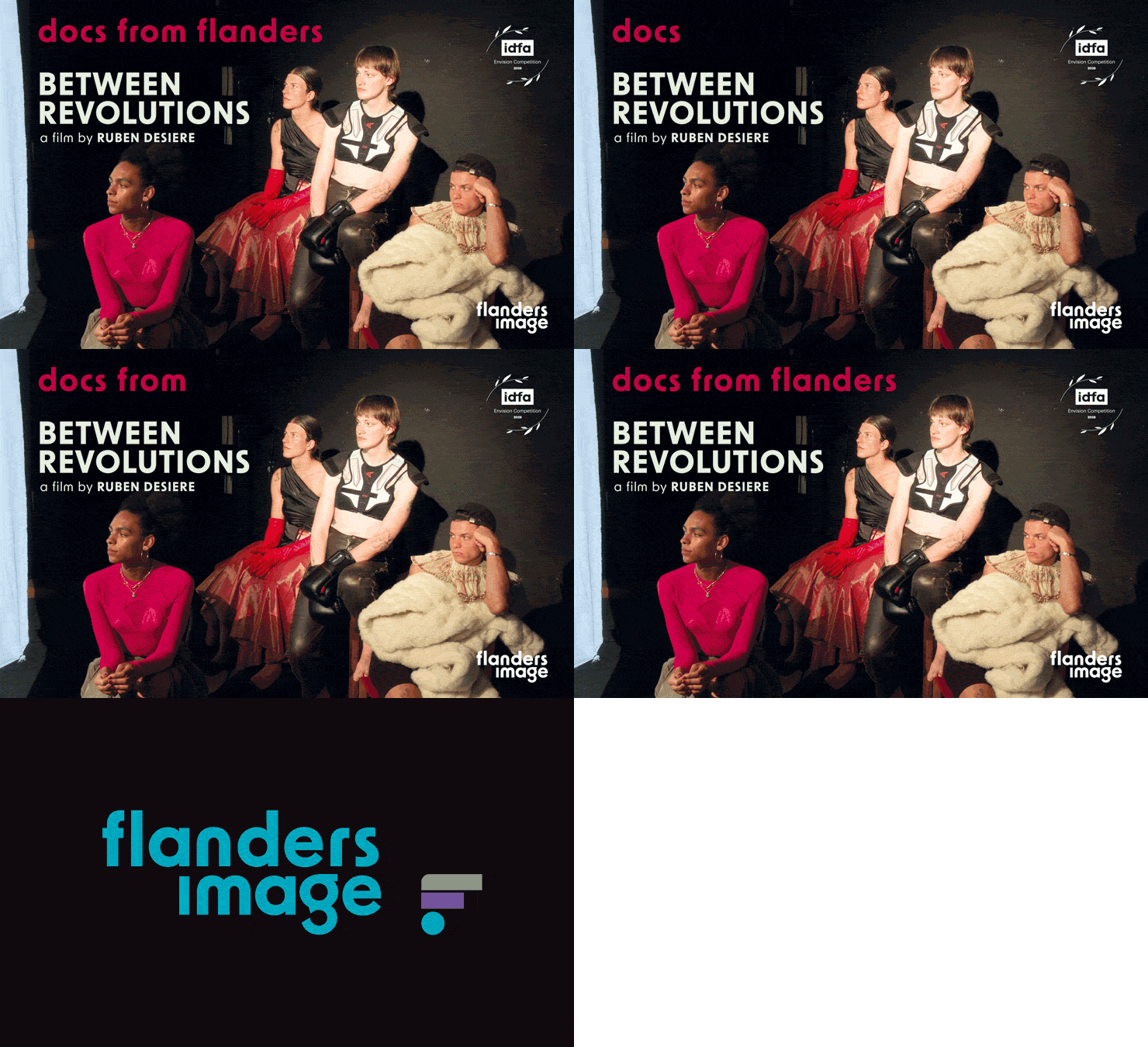
IDFA Envision Competition: Between Revolutions by Ruben Desiere

In his new feature Between Revolutions (a world premiere in Amsterdam) Belgian director Ruben Desiere follows a group of Berlin-based queer activists using performance to voice opposition both to the violence in Gaza and intimidatory police tactics in Germany. Core to the film are activists Kasz Wlaszczyk and Nomi Sladko. “Kasz and Nomi themselves play the roles of Jack and Leila in the film,” Desiere tells BDE. “Five other people that we found together play other roles. They form this theatre group. Outside of the theatre rehearsals, they play scenes related to the book, their activism and the repression.”