

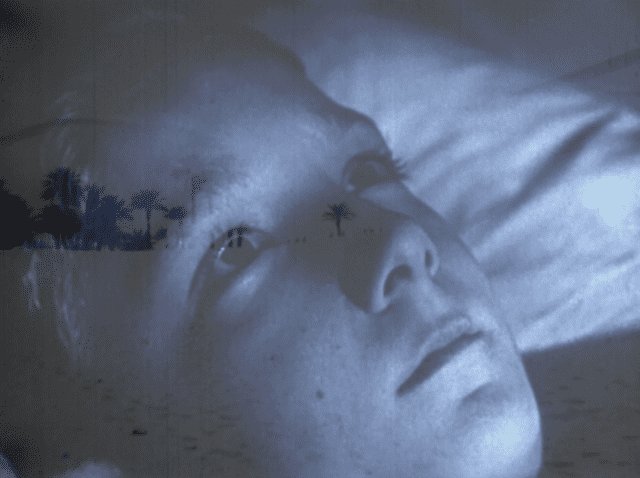
Miguel Moras Cabral’s Lisbon doc pitch is intriguing, that of an ostensibly normal kid by day whose tears at night will create floods, disasters and miracles. The project is part of the Arché project development lab dedicated to directors and producers from Portugal, Spain, Italy and Ibero-American countries.
Right now, Miguel Moras Cabral’s short doc Night Tears or the End of Innocence, budgeted at €25,000 and at edit stage, is slated for March 2021 delivery. It is produced by Lisbon-based outfit Primeira Idade that made The Metamorphosis of Birds, which premiered February 2020 at the Berlinale where it won the FIPRESCI Award for Best Film.
The new film, Cabral says, is based on a short story that he wrote 15 years ago but one for which he was unable to find audiovisual form to convey “its force.” Until he went through a phase of watching family films, and was additionally convinced by the power of archive. The hero of his story is the child Kata.
“I was touched by the discovery of such family treasures and transported to my grandparents time, to my parents’ and my own childhood,” he comments. “That past was also my own; those images were close to me through the universal gestures. At the same time they were distant, as those spaces and people were strangers to me. I then started to think a lot about Night Tears or the End of Innocence again, probably because the short story I wrote had been created with the same ingredients: the history of the 20th century.”
“Suddenly, it all made sense,” he adds. “The challenge I faced was enormous because I wanted to sculpt it in the contemporary world and, at the same time, make it universal through the power of fantasy. Little by little, I built the film’s draft. The story follows the path of the tears and it takes us on a world tour, through images from propaganda films, family archives and old scientific films. The film questions the representation and the essence of these images and the tears become a symbol that changes significance according to the places where the character wanders.”
The character of Kata is, he says, a scapegoat that takes us on a non-chronological journey of discovery through the 20th century. “We wander through wars, the consumer society, the traditional western family model, the representation of happiness and violence. Kata is the innocent child that learns to live in society.”





