Business Doc Europe talked to Piotr Śmiechowski of Polish firm Telemark and producer of the documentary feature project December, a co-production with Lithuania. The film is helmed and shot by Grzegorz Paprzycki, whose 2019 short doc My Country, So Beautiful was long-listed for the Academy Awards and zoomed in on Poland’s left-wing viewpoint against the ‘homogeneous’ idea of Poland backed by the extreme right.
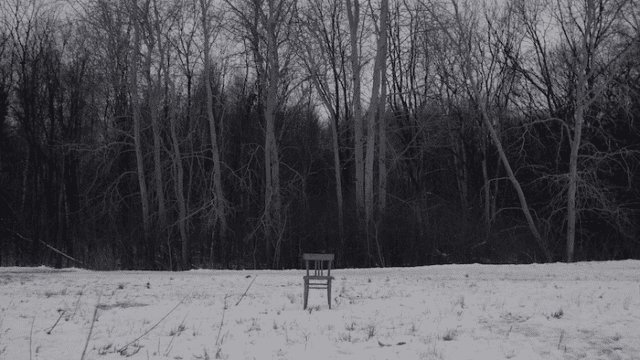
“December brings exceptional spells of cold and snowfall to Europe. The existing order is destroyed not only by the harsh weather, but also by ‘strangers’ who want to get into the territory of the European Union. Some people try to live as if nothing has changed and get ready for the approaching Christmas. Others join the battle and, depending on their views, they either fight with the ‘strangers’ or try to save their lives,” explains Paprzycki in his director’s statement, adding how the doc’s main conflict could be effectively summarised as “a battle between empathy and indifference.”
“In general, this film is about us – European and Polish society – and how we perceive migrants and refugees from Middle East and Africa,” Śmiechowski tells Business Doc Europe.
“Some [in Polish society] have empathy and the will to help people who are stuck between the borders, but most of them are running selfishly after their own needs, not caring about those who suffer next to them. And this is particularly visible in December, which is a special month in Poland and connected to the celebration of the birth of Jesus Christ – a refugee from the Middle East himself – and the idea to helping each other.”
The four main narrative blocks of the film are the progression of winter, the preparations for Christmas, the struggles of the refugees, and the battle between the pro-refugee and anti-refugee factions.
“We are doing a film made out of 31 mini-stories, as many as the days of December. It’s challenging to organise and prepare the scenes to make them consistent in terms of form and narrative structure,” reveals Śmiechowski.
“The political atmosphere in Poland is very difficult for creating our film, especially when it comes to financing it through Polish public assets, which are not accessible because of the topic we are tackling. We had a hard time preparing our equipment on the border since it is forbidden to record footage around the border between Poland and Belarus. Moreover, some activists are not trusting filmmakers, and sometimes it took a lot of effort to gather the needed material from journalists and activists,” he continues.
Speaking about the major targets for the project, the producer adds: “The first and most obvious distribution output are festivals and theatres, but later on, after our festival premiere we aim to show it as wide as it possible with the help of broadcasters.”
An impact campaign is not officially in the works, even though it remains an appealing idea for Śmiechowski: “We would love to plan an impact campaign which will open eyes of the people who are thinking that helping people in need on the border to survive could make our world a better place. It is not planned yet, but it would be a great addition for our project.”
The research work was carried out by the team on different borders within Europe, including Greek-Turkish and the Polish-Belarusian ones: “We are still in touch with some groups of activists, we contacted the refugees themselves and we did a very wide, daily media research, including some national media propaganda which is trying to tell a totally different story of what is happening on the borders.”
Śmiechowski told BDE about the aesthetics of the documentary: “Our project is a ‘patchwork’ kind of film in terms of form and content. We are choosing our shots very carefully, minding the composition and the camera work. We are also using mobile cameras, car cameras and archive footage from TV networks as well.”
“In practice, ‘poetic scenes’ will appear in parallel with more ‘classical’ shots and amateur footage. The pacing of the film will be different in terms of dynamic and form. Slower scenes will be intertwined with densely edited ones. Sound and music will also play an important role in our film, and they will often play against the images.”
The project, budgeted at €250,000 (with €150,000 yet to be financed), is currently in the late production stage and is slated for delivery next year.