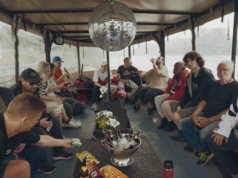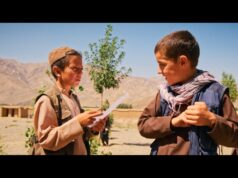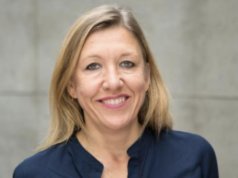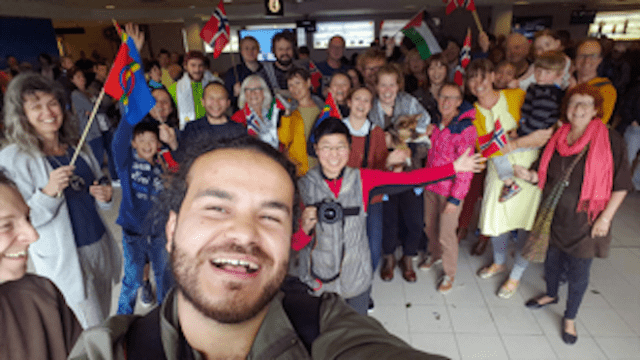
Life is Beautiful is the story of a life put on hold by international politics and rigid bureaucracy. The project, helmed by Mohamed Jabaly and based on his own experience of displacement, is being produced by Kristine Ann Skaret for Oslo-based Stray Dogs Norway. Business Doc Europe spoke to Skaret about the documentary, its urgency and its aims.
“With Life is Beautiful, we aim to tell the story of someone who has his own experience being considered stateless – and we are telling it ‘from the inside’ from someone who is living that experience: Mohamed [Jabaly] himself,” she says of her Palestinian director and protagonist in the film.
“It is a unique vantage point to be in because stateless people often face obstacles to basic human rights including employment, freedom of movement, education and healthcare,” she continues. “People in vulnerable situations like this often become more invisible and isolated. But Mohamed chose a different tack. He decided to live as openly and transparently as possible and invited his new community in Tromsø into his plight, as well as film colleagues across the globe. By transforming this entire experience into a film, he is sharing it further still.”
Speaking about the future distribution of the project, Skaret says: “I really want this story to be available for a broad audience, regardless of income and commercial subscriptions. We are also hoping for the recognition from film festivals and to raise the discussion of who gives the possibilities to be storytellers.”
“The story unfolds as we tell it, it’s still ongoing. The Scandinavian broadcasters are hard to get onboard, and therefore we need to find new platforms and partners,” she adds.
Throughout the film, Jabaly will show “his everyday life, including the practical and emotional challenges that underlie a life in limbo.” It will also tell the audience “how it feels to be cut off from family and friends and the necessity of moving forward, even though it feels like a standstill,” as well as “the human ability to create and connect, make friends and focus on the positive” with a focus on “the importance of [forming a] community.”
Skaret reminds BDE of the urgency to make this documentary. She notes “the number of forcibly displaced people has doubled in the last decade” which amounts to 89.3 million people by the end of 2021), their struggles to access basic rights and the “increased awareness of the importance of self-determination, both as a state and as an individual,” as cases of violations grew worldwide over the last few years.
“We hope that Mohamed’s lived experience will inspire viewers to improve their understanding of the situations stateless people face, and learn more about what steps they can take to remove discriminatory barriers in their societies,” she says.
“We recognise that issues surrounding Occupied Palestinian Territories can awaken strong reactions. However, by showing a young man with hopes and dreams – who wants the same opportunities to pursue them as other young people have – we wish to illuminate and humanise the struggles Palestinians face at home, as well as the struggles displaced people face when they attempt to seek refuge elsewhere.”
The team is also developing an impact campaign, set to be pitched at FIFDH and Beirut DC. With Sarah Wing Sørensen, Skaret is working on setting up “a pilot program to train aspiring filmmakers from the refugee and immigrant population in Jordan and Egypt to change migrant narratives.” Meanwhile, their efforts in Europe will focus on issues surrounding statelessness, and partnering with organisations and experts in the field.
“As director and main subject, Mohamed is an integral part of the filmmaking process and impact campaign. As a film and impact team, we have been working closely together for over four years developing our project, down to nuances in the words we use across a range of languages.”
The impact campaign goals will be pursued within two main regions: Europe and the SWANA region, focusing on Gaza, Jordan, Lebanon, and Egypt.
“In Europe, we want to work with governmental and civil society organisations to change policy and strengthen access to human rights and aid for currently stateless people, and promote everyone’s right to a nationality. Our work will also focus on raising public awareness of the Gaza blockade, and issues Palestinian immigrants face, specifically the denial of Palestinian nationality by certain countries. In our promotional material, screening guides and closing credits we aim to provide education resources, including links to resources for displaced people.”
“In the SWANA region, our starting point is to continue the work that Mohamed did in Gaza before his exile. We aim to build a supportive community for aspiring and existing filmmakers there by developing a sustainable media hub that provides training, tools and space for filmmakers and a cinema to display their films. As for Jordan, Egypt and Lebanon, we aim to work with young people in Palestinian refugee camps to train and support them to produce films and make their voices heard.”
Finally, Skaret reveals that the director’s dream is to premiere the picture for his people in a refurbished cinema in Gaza, which currently has no operating indoor cinema.
The project, currently in late production, is budgeted at €330,000. Delivery is slated for this autumn.