


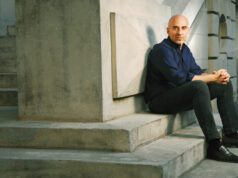

Doclisboa Nebulae project: Yõg Ãtak: My Father, Kaiowá by Sueli Maxakali, Roberto Romero, Luisa...
The Nebulae project follows the journey of indigenous filmmaker Sueli Maxakali and her sister Maisa to Mato Grosso do Sul (Brazil), in search of their father, the shaman Luis Kaiowá, from whom they were separated as children during the Brazilian military dictatorship. Co-director Roberto Romero discusses the project with Business Doc Europe.
Doclisboa to ask The Colonial Question in October 2022
Doclisboa has unveiled the first retrospective of its 20th edition, which will take place 6-16 October 2022. “The festival proposes a focus on the colonial past of France and Portugal, two countries that waged wars in Africa around the same period, whilst hiding behind benign narratives, and, since then, resisting confrontation with their own history,” write organisers.
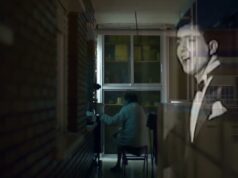
Doclisboa Int’l Comp: A Landscaped Area Too Quiet For Me by Alejandro Vázquez San...
Spanish director Alejandro Vázquez San Miguel profiles his beloved grandparents, who hail from a background steeped in cinema. “It is incredible the life they have had, it fills me with pride and admiration. For me they are undoubtedly a mirror in which to look at myself every day, but not only for their past, but for how they carry that past in the present,” he tells BDE.

Doclisboa unveils this year’s Arché lab projects
The project development lab Arché will take place between October 12-20, in part during Nebulae, the industry programme of Doclisboa. This year, 12 projects were selected from 122 submissions from 19 Ibero American countries, plus Italy. The dozen projects in selection are at different stages of production, and hail from 10 countries.
Doclisboa Nebulae: And the winners are…
At the Lisbon awards ceremony held October 13, Clara Jost’s ‘Lettre à Eric Pauwels - ou a Florista e o Cônsul’ picked up the DAFilms awards, valued at €5000 in kind. The DAE Talent Encouragement Award was handed to Beyond Landscape by Etienne de France while te Pitch the Doc Award, given to a project from the guest country France, went to Under the Volcano by Sara Rastegar and Simone Pozzi.

20th Doclisboa announces 2022 programme
The 2022 programme comprises 281 films, 47 of which are world premieres, and 44 Portuguese films. The 20th edition, running 6-16 October, is dedicated to Jean-Luc Godard. “A free and thought-provoking mind, committed and attentive filmmaker. We owe him the programme we present today and we celebrate his life in each screening,” say organisers.

DocLisboa Int’l Comp: It’s Party Time by Leo Liotard
There can be few more poignant or nostalgic films screening at this year’s DocLisboa than Léo Liotard’s It’s Party Time. Shot on a Camcorder when he was a student, Liotard and his friends were young and sometimes pretentious. They drank too much. They talked about sex and relationships. They played music. They even danced around naked. “Adolescence is a very narcissistic time of life,” he tells BDE.

20th Doclisboa to open Oct 6 with Lucrecia Martel’s North Terminal
The Portuguese doc fest celebrates the past two decades with a special edition and opening/closing sessions held simultaneously in the cities of Lisbon and Porto. The festival closes October 15 with a screening of Love Lights by Acácio de Almeida and Marie Carré, described as “a declaration of love to photography and cinema.”

Doclisboa Portuguese Comp: Death Of A City by João Rosas
In his new film screening in DocLisboa’s Portuguese competition, João Rosas looks at Lisbon from an unlikely new perspective - that of construction workers destroying old buildings to make way for luxury apartments. “When I was invited to do this film on the construction site, I saw it as a microcosm of what was happening to the city,” the director tells BDE.

DocLisboa Int’l Comp review: 100 Ways to Cross the Border by Amber Bemak
A playfully provocative delve into work of performance artist Guillermo Gómez-Peña and his dance/art troupe La Pocha Nostra, Amber Bemak’s engagingly breezy and busy documentary manages to offer plenty of insight into culture and politics while also playfully blurring the line between filmmaker and subject.





