

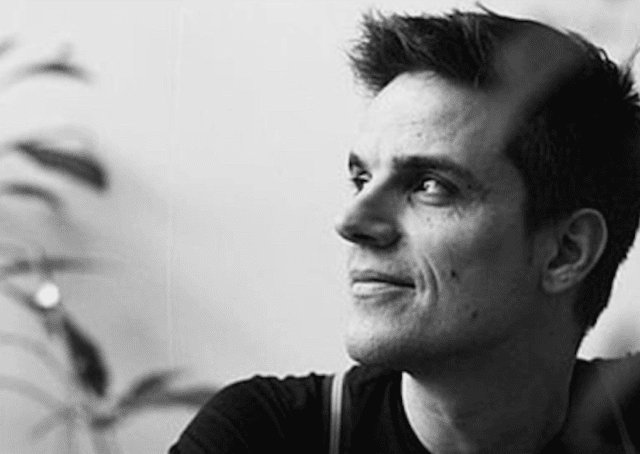
“The Apologist addresses the timely question: can public apologies lead to forgiveness, understanding, or change?” Belgian filmmaker Kristof Bilsen tells Business Doc Europe of his new feature project which he is pitching this week at IDFA Forum.
“Many peoples and communities today are waiting for apologies, sometimes for events that occurred decades or even centuries ago. Public apologies have a significant impact on how history is told and by whom. This project is vital because it examines the powerful role of apology in shaping both personal and collective histories.”
Bilsen further describes the project as “a cinematic exploration into the complexities and transformative power of apologies.”
“In The Apologist, we merge three distinct visual elements—archive/found footage, observational camera work, and studio shoots—to create a dynamic, layered narrative,” he tells BDE. “The film oscillates between archival sequences, capturing moments of public apology, intimate studio conversations, and raw, observational encounters, all of which form the backbone of our storytelling approach.”
The project notes describe how, through the eyes of Flemish Valentijn Dhaenens, a white Western actor, the film will navigate the fine line between sincerity and performativity, intertwining personal struggles with societal reflections. Dhaenens confronts his own privilege in a journey that unpacks the layers of apology, forgiveness, and responsibility. Alongside him is Musia Nwankumi, a Black, non-binary actor, whose collaboration with Dhaenens in a theatrical project reveals the persistent power dynamics of race, history, and inequality.
The film will draw on intimate interviews and famous public (non-)apologies—such as those connected to Belgian colonial atrocities in the Congo; the film goes beyond PR-driven apologies and dives into the complexities of true atonement, the project notes underline.
“By juxtaposing historical footage of figures like Willy Brandt and Mauricio Funes with intimate, direct observations of characters in real time, we invite the viewer into the emotional undercurrents of apology and reconciliation,” Bilsen adds to BDE. “Our camerawork, often close-up and unflinching, creates a powerful sense of empathy and proximity, while the studio’s setting provides a space for reflective conversations. The archival materials are not merely revisited but re-contextualized through cinematic editing, non-synchronous audio, and original soundscapes to deepen their emotional impact.”
Bilsen reveals that there is a very personal undertow to the project, how the bullying he suffered as a child was never resolved and no apology ever given, which continues to have an impact in teh director’s later life. “This personal experience mirrors a broader societal trend, where many peoples and communities today are waiting for apologies, sometimes for events decades or centuries old.”
“By connecting a personal story of apology to a much larger philosophical question, we make this complex issue tangible and relatable for audiences,” he continues. “The exploration of public apologies not only influences how history is remembered but also shapes our cultural memory. By delving into the origins of these apologies and questioning their place in our collective history, we can gain a deeper understanding of the world we live in today.”
What does Bilsen believe are his strengths as a filmmaker? “Through making observational/character-driven films such as MOTHER and Elephant’s Dream, I learned how to carve the story as I went along, but also managed to find a strength in interweaving elements of narrative and an almost theatrical poetry,” he responds, further explaining how both films tell a big story through their focus on a fractal element. MOTHER focuses on intercontinental interdependency of care as told through the personal story of a Thai caregiver for Europeans with Alzheimer’s, while Elephant’s Dream assesses postcolonial violence of power through the lived experience of public sector workers in DR Congo.
“I’m assured that in a complex film as The Apologist, I will give the audience a lot to experience first-hand, but also reflect on the topic of reconciliation. I do find it exciting to challenge myself making work that is never the same and explores new narrative pathways. The Apologist will combine various storytelling strategies into one creating unexpected turns as we go along.”
At IDFA, Bilsen is looking to secure additional financing/funding and a sales partner, as well as attract more international collaboration. Currently on board are partners from Belgium, the Netherlands, and France, as well as broadcasters VPRO, RTBF, and VRT. The mooted delivery date is spring 2026, with both a 90-minute feature and a TV version in production.
“We believe that each partner involved in the making of the film will benefit from both the creative process and the resulting impact. The project is bold and dares to challenge preconceptions. With its global theme, linking three continents—Europe, Africa, and Latin America—it offers vast potential for international distribution and audience engagement,” Bilsen signs off.





