Angelica Ruffier was awarded February 6 a Special Jury Award for her feature documentary La belle année. The Swedish/Norwegian film was competing in Tiger Competition.
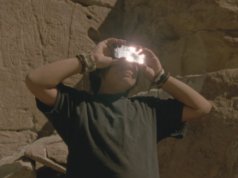
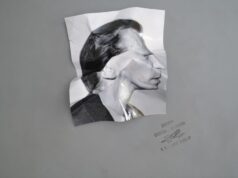
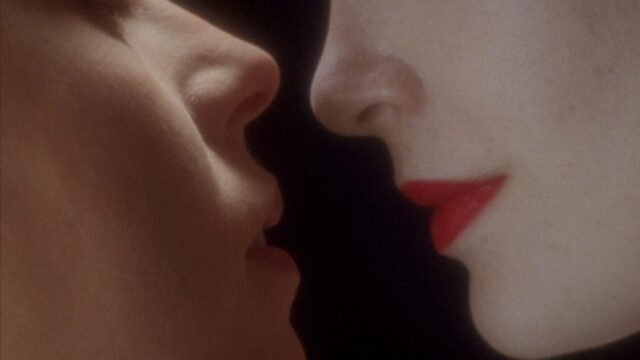
Ruffier not only directed her IFFR Tiger contender (sold by Odd Slice Films), she is also the main protagonist. The film begins with Ruffier returning to her father’s house in France after his death in 2021, and finding her own teenage diaries as she clears through her old possessions. Reading through them reminds her of a teenage romantic obsession she once developed for her history teacher, the enigmatic Sylvie Bresson, who looked like Louise Brooks.
The jury stated: “This film is an intimate portrait of a woman dealing with grief and at the same time getting in touch with her first feelings of love and desire. The director, through an amazing craft of acting and directing, gives us a perceptive on womanhood too rarely portrayed in cinema. We give this award to a very unique voice who made us travel through generations charged with loneliness with absolute honesty and radical tenderness.”
The Stockholm-based filmmaker had at first thought of making a short but the project grew in length and complexity, she told BDE before the film’s world premiere in Rotterdam.
“When you make a feature, you have to add many more elements…the essential structure of the movie is documentary. I guess it follows the way my life unfolded during the five years I spent making it. I had had an idea of approaching this passionate love I had for this teacher – and then my father died,” Ruffier explains how the ideas about her old teacher and her grieving over the loss of her father became intertwined.
When she was set on making the documentary, Ruffier approached her teacher directly. “I first wrote to her to confess this love I had for her and then, one year later, I came back to say I am doing a movie about this year – and in this year, you are part of my life. Could you imagine meeting me?”
Teacher Bresson was very open. She invited the director for lunch. “We didn’t talk so much about the past. She was very curious about how you make movies. She asked questions about the editing and the timeline of the documentary.”
There is an obvious contrast between Ruffier’s teenage fantasy projections of the teacher and the woman audiences see in the movie – a kindly, grey-haired, bookish figure who, by her own admission, is now living a “mundane” life.
“It was extremely nice, a very dear moment,” the director says of her reunion with the teacher. “And for my team to meet her after they had heard so much about her, that was a brilliant moment.”