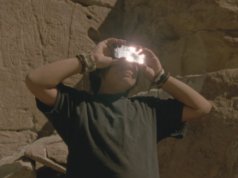
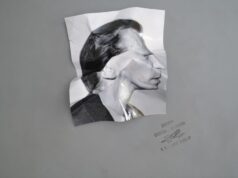
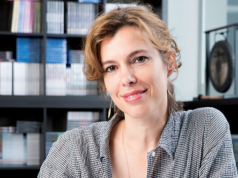
Kompleta is an intimate record of an extremely difficult period in the lives of the directors Tomasz Śliwiński and Magdalena Hueckel. Magdalena, while 8 months pregnant, was diagnosed with aggressive breast cancer. In the film, which world-premiered May 10 and was pitched at the Pole Position event in Warsaw, the directors combine raw documentary footage with elements of music video, photography and collage in an experimental attempt to process their trauma through art.
“They are extraordinary artists and people,” comments Bartosz Friese of Warsaw-based Munk Studios. “Their courage and honesty in portraying themselves makes working with them feel like you are taking part in something really important. The process of making the film took a long time, but we all knew…that it was such an intimate film that Magda and Tomek had to have time to face the events they were describing. The strength of this film is undoubtedly the characters and how they were able to let us into their lives.”
Even before the diagnosis, Śliwiński and Hueckel were no strangers to serious illness. Śliwiński’s Oscar-nominated short film Our Curse documents the first six months in their life of their son Leo, who suffers from the rare genetic disorder called Ondine’s curse.
“Yes. It was interesting that after my experience with Leo’s illness, I did not go through the phases of denial or repression at all,” mother and co-director Hueckel explains in her notes for Kompleta. “As soon as I got the initial diagnosis, I immediately went into task mode. On the one hand, I started to fight. I don’t like using this war language, but the treatment process is very aggressive and has something of a fight in it. On the other hand, I tried to treat my condition as an ally. Illness is information, and it can be a beginning of a deep transformation.”
Śliwiński adds: “We didn’t feel pressured to make a film out of it. We figured that if works out, fine, if it doesn’t, it doesn’t. It gave us the opportunity to be honest and avoid self-censorship during filming, along with a sense of freedom and security. We could film everything and then not use any of it. The filming process allowed us not to succumb to intense emotions, and instead to calmly look at the situation from the outside. It was a little like meditation – a careful observation of the states we find ourselves in. Then, by translating it into the final film, we try to convey what we experienced and observed.”
When I was diagnosed, a few friends wrote to me saying they were also sick but no one knew about it. It struck me that, despite being a common experience, being sick is still shameful, it’s still a taboo. I decided not to give in to it. I walked the streets with a bald head to free myself from the conventions and expectations. And I think that showing these difficult moments of life and talking about them openly can help. Creating the illusion of constant happiness and success is very harmful to society. Often we end up suffocating with our own problems. When we reveal them, they become part of some common consciousness.”
Friese is currently determining future release and festival strategies and is at MDAG to help source a sales agent, distributors, broadcasters, festivals and VOD Platforms. “We are working hard on the international premiere, and we have a festival consultant, Hussain Currimbhoy. But we are still at the beginning of our journey,” he says.
Studio Munk is a partner who can allow them full creative freedom, he adds. “Thanks to the constant support of the Polish Filmmakers Association and the Polish Film Institute, which co-finances our productions annually, we can choose projects to be realized based solely on the importance of the subject and the artistic potential of the film.”