Produced by Maja Medić and Ena Bajraktarević for Serbian outfit Marienbad Films, Kafka in Belgrade is the working title of one of the feature docs in development pitched at this year’s Thessaloniki Agora. In it, director Maša Nešković unravels her past and that of her filmmaker stepfather Goran Marković, as they navigate together “the maze of memory and identity.”
The film is Nešković’s sophomore feature, following her fiction debut Asymmetry (2019), which was recipient of Director and Best Cinematography prizes at the Oscar qualifying, North Carolina-based fest Riverrun. Bajrakterević’s previous producing credits include Berlin- and Sarajevo-bound 1990s-set comedy Celts as well as a number of shorts selected at fests such as Belgrade and FIDMarseille, where she worked as production manager.
Before playing their teaser on stage at Agora, Bajraktarević touched on Goran Marković, whom she introduced to the audience as “a renowned Yugoslav filmmaker whose politically subversive films generations from our region know by heart.”
“Goran happens to be also my stepfather, so the way he inspires me is so much more personal and goes beyond his filmmaking work,” revealed Nešković.
“I wasn’t too happy with people associating me with him because I wanted to make my own [films],” she added. “That’s when we had our first time understanding [each other]. He respected that. So fast forward, twenty years later I told him: ‘I want to make a film about you, but not just about your work.’ There’s irony with [the] timing because he was always very funny, full of life and ready to fight for his beliefs… At that time, he was practically banned from making movies because of his political activism.”
“For the first time in his life, he felt he was getting old, the director continued. “On the other hand, I’m 39. I totally changed my life over the last ten years. I broke my marriage because I fell in love with a woman. I’m trying to make films and live off of it. I want to figure out whether I want to be a mother or not in a society that is still deeply patriarchal. This film became a way of searching for answers by exploring the life of a man that spent his time in a totally different world.”
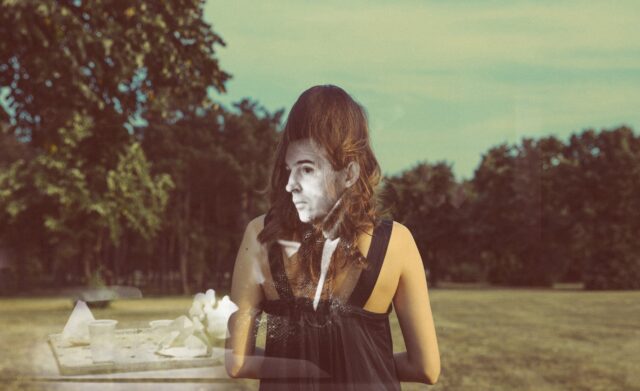
Delving into the aesthetic approach of her doc, Nešković said: “The form of this film is also influenced by my fear of forgetting. So preserving memories is extremely important for me. I’m not interested in showing things as they happened but, rather, how we remember them or how they feel to us.”
Producer Bajraktarević added: “Our film isn’t a straight line. It’s more like [how] real memory works. Imagine a bunch of different snapshots from [your] life: some are old, some are newer.” Thus, the doc will feature “photos, home videos, archival footage depicting big political changes” as well as many “‘pieces’ from different places and times all coming together.”
“Dreams that [Goran] Marković was taking note of are also part of our film. We’re pairing audio recordings of those dreams with videos of old Yugoslavian experimental films, to give you the feeling that you’re walking through his subconscious. It’s all about experiencing his inner world.”
“My voice is in there too, I’m sharing my side of things, reflecting on Goran and I making this film. And that’s personal, just like the rest of the film. While I’m trying to make sense of our stories, one particular idea arises and that idea is that we’re still consumed by the work we do. We deliberately disrupt our lives in order to be better artists, and to make better films,” director Nešković underscored.
Bajraktarević confirmed that 30% of the project’s financing has been already secured. Film Center Serbia is one of its key partners. In Thessaloniki, the team is eager to forge new collaborations. “[When it comes to partnerships], it’s not just about the funding, but also finding the right people for this project. So if what you’ve seen so far resonates with you, we’d be happy to talk,” said the producer.