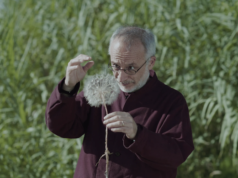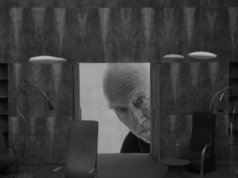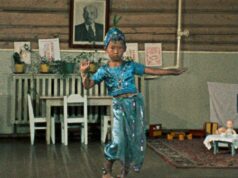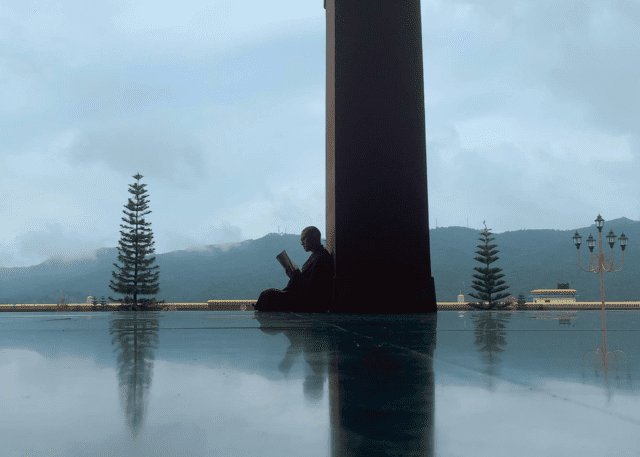
Oscar winner Kevin Macdonald is back at Sundance this week with Life In A Day 2020 [world premiering February 1]. This is the follow up to Life In A Day, the 2010 YouTube documentary for which people around the world put their day on camera.
The new doc follows the same formula as its predecessor. On July 25 2020, people from all over the globe filmed moments from their lives and then uploaded them in the hope they would be included in the film.
The obvious change from 10 years ago is that contributors this time round have been dealing with coronavirus and lockdown.
“I think people were doing more interesting things last time [in 2010]. They were much more out and about, showing you their world in a physical way,” the director reflects on the difference between the two films. “People [in 2020] were in a more pensive mood and there was an overwhelming preponderance of clips where people were talking about loss or sadness…if you were taking the temperature of the world, it definitely has a slight fever. That’s the feeling you get from watching all these hundreds of hours of clips.”
In one powerful and discomforting entry early in the film, a mother shows the audience footage of her son in 2010, and then reveals him as he is today. He died during the pandemic and she is keeping an urn with his ashes in her sitting room.
“The original clip we showed in the film 10 years ago is one of the more light, funny, silly clips,” the director recalls of a familiar scene of the mum trying to get her teenager out of bed in the morning. Now, he has perished, one of the first COVID victims in America. When he fell ill, “the doctors didn’t know what it was.” You can hear the heartbreak in the mother’s voice.
Macdonald opens the film with a selection of clips of births from everywhere in the world. At the end of the montage, a baby is born and the father says: “welcome to the planet.” At that moment, the baby starts crying. “That seemed to sum up for me thematically what the movie is, which is about life and its joys and hardships,” comments the director.
Whereas the first Life In A Day was “sugary and optimistic,” Macdonald believes its successor goes “deeper.” He remembers a critic complaining that the 2010 doc didn’t show “real life” because there was so little sex and death. Both of those elements feature plentifully in the sequel.
Macdonald made Life In A Day 2020 to a very tight deadline. In late August, he finished editing The Mauritanian, his new feature film based on ‘Guantánamo Diary’ by Mohamedou Ould Slahi. Then, almost immediately, he moved on to the documentary.
The breakneck schedule was exactly the same as it had been with the first Life In A Day, which had also used footage shot on July 25 and was also then completed in time for Sundance. Producer Jack Arbuthnott put together a small army of researchers to pore through the 334,000 videos from 192 countries that constituted the raw material. They winnowed this down and then Macdonald and his three editors watched around 300 hours.
A consensus quickly emerged between the director and the editors. They were in agreement over “95% of what and who we thought was interesting.”
The project may only have been possible because of today’s technology and universal access to cell phones and the internet. However, Macdonald’s original inspiration came from a long way back in documentary history. He acknowledges the crucial influence both of the late Michael Apted (with his Seven Up! series) and of Humphrey Jennings (1907-1950).
“I stole the idea for Life In A Day from Humphrey Jennings. That’s where the idea came from. It was not [just] Jennings’Listen To Britain (1942) but his project before that, the Mass Observation movement, where they asked people around Britain to make diaries of their daily lives and asked them ‘what is on your mantlepiece, what graffiti did you see today,’ those sort of questions. I asked people to answer questions in this as well, about love and fear and ‘what would you like to change.’”
The Scottish director couldn’t help but notice that all the obituaries of Apted, who died in early January, focused far more on the Seven Up! documentaries than on his other very distinguished work. Macdonald has now been asking himself whether Life In A Day could turn into a new Seven Up!, a project that will continue from decade to decade. “I think it is. I have come to the conclusion that I would like to do another one in ten years’ time if I am still hale and hearty…and if YouTube will pay for it.”
“In one way, it is the kind of film that could only really have been made in the last 10 to 15 years. When we made the first one [in 2010], it wasn’t that representative around the world because [only] people in America had YouTube and internet, and they had cell phones which had cameras,” the director notes. This time round, the technology has spread everywhere. He cites as an example the Mongolian nomad farmer’s daughter filming her mother milking a cow and then uploading the footage.
YouTube has changed over the last decade. Whereas the site was once where you went to post videos of your baby or your pet cat, it is now fully commercialised and has become a key communication platform in almost every country in the world.
Macdonald, though, feels exactly the same awe about Life In A Day as he did in 2010.
“The films are amazing levellers. They really make us feel as a viewer that ‘everyone is like me. I can see they care about the same things as I do whether they are Egyptians or Congolese or Siberian’. They care about the same basic things. There are very few strong, powerful parts of human life that we don’t share.”
In a time of COVID, the director adds, “to be reminded of our common humanity has got to be a really, really good thing.”