The haunting, terrifying and chillingly visceral stories told by a series of young women in Paula Cury Melo’s moving and deeply provocative Scarlet Girls (Niñas escarlata) paints a harrowing picture of what it means to be a woman in the Dominican Republic, still one of the few countries where abortion remains criminalised without exception.
Five blunt and powerful audio testimonies make up the spine of the film – four from women who lived through abortion or forced motherhood, and one from a mother whose daughter was denied cancer treatment because she was pregnant. These are set against images of young women who must endure quiet and worrying moments at home or at school, all blended with beautifully shot landscapes and images from life in the country.
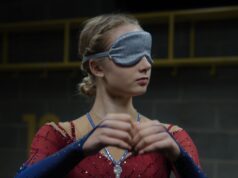
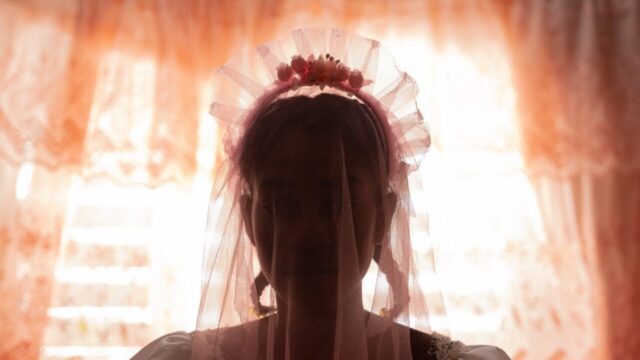
The film opens and closes with strikingly artistic footage of a woman (and women in the closing scenes) in scarlet dresses slowly floating deep in the ocean, offering a simple but elegant metaphor for the situation many of these young women find themselves in. To protect the women telling their real stories, their faces are never revealed.
According to notes accompanying the film, “this intimate, poetic approach offers a glimpse into girls’ and women’s everyday life, becoming a sort of autopsy of intergenerational trauma and inviting a reflection on how trauma is often hidden in everyday life.”
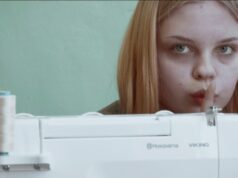
Towards the beginning of the film, young girls sit in a classroom and are told by a teacher that “abstinence is the best method for the prevention of teenage pregnancy…Of course you will have these emotions – but what you should do is abstain from sexual activity and wait for the proper time.”
But reality is different, with the voice-overs offering a harrowing glimpse into some young lives. One recalls how she was raped by her stepfather who said he would kill her mother if she told her, while another, aged just 15, admitted after she was assaulted, “I didn’t tell anyone out of fear.”
Though their faces are never revealed, accompanying ‘performance’ footage offers a frank immersion into everyday life for young girls in the Dominican Republic, where an aggressively chauvinist attitude from men of all ages sees them sexualised from a young age.
One recalls losing her virginity when young after being encouraged to play ‘mum and dad’ by boys much older than she was. The footage is often punctuated by radio and television recordings of political debate about changing laws to help protect women, but which never materialises.
Paula Cury’s often moving and always powerful film offers a stark glimpse into the everyday lives of young women in the country, and importantly raises much needed questions about the impact of the severe abortion legislation in the Dominican Republic. It is a perfectly formed, elegantly artistic and gently angry film that demands attention.
Dominican Republic-Mexico-Germany, 2026, 70mins
Dir: Paula Cury
Production: Parabellum Film, Cristal Cine, Disruptiva Films
International sales: InDox Films
Producers: Paula Cury, Samuel Didonato
Cinematography: Nana Baez
Screenplay: Claudia Galeano, Paula Cury
Music: Alejandro Karo