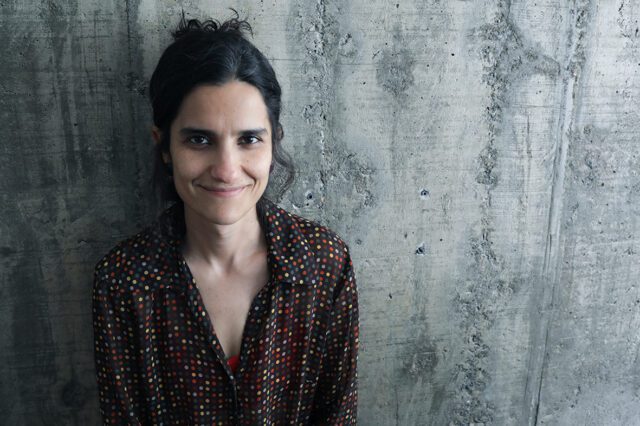
“The Industry section at Doclisboa is a space for fostering both creative and production-based collaborations. It is also a space for the kind of cinema that the festival believes in — one that values artistic integrity, reflection, and community,” Marina Thomé, the festival’s Director of Industry and Development, underlines to Business Doc Europe as doors opened on the 2025 edition of the Portuguese docfest.
Once again, the Nebulae platform will offer up a smorgasbord of activities which reflect on the growth and promotion of dynamic documentary cinema, from both local and international perspectives. Highlights in 2025 include a focus on the industries of Belgium, The Netherlands and Luxembourg to determine the potential for collaboration between production talents from the Benelux and their counterparts in Portugal. What’s more, Nebulae will, for the first time, present Viewpoint, a curated selection of six Portuguese film projects currently at edit stage. The aim is to enhance the visibility of Portuguese cinema and foster fresh international alliances.
“The Industry programme at Doclisboa stands out for its close connection with the festival’s film selection. The curation of projects and activities is developed in constant dialogue with the programming team, ensuring a shared vision across both areas,” Thomé tells BDE. “As a result, there is a natural synergy between the invited guests, the films presented, and the key themes explored in the festival’s debates and discussions.”
Another distinctive aspect of our Industry programme is its focus on Ibero-American and Latin American cinema. “Through Arché — Doclisboa’s creative development and research lab, recognised for supporting projects with a strong authorial voice — we foster dialogue and collaboration across regions, highlighting emerging and diverse perspectives in contemporary cinema,” Thomé adds.
Doclisboa has evolved into a key meeting point within the international cinema landscape, Thomé further argues, “playing an active role in supporting the growth of the local film sector and in building meaningful connections with the wider creative community.” It is part of the Doc Alliance network of Europe’s leading film festivals, “and through its strong curatorial vision, Doclisboa maintains a steady presence at major international industry events,” she underlines.
It is also an essential hub where Portuguese filmmakers to gather, cogitate and reflect, build their local and international networks, and further the process (and business) of docmaking. “In recent years, Nebulae has deepened its commitment to involving Portuguese professionals at every stage of its activities. This is reflected in the growing presence of national projects within Arché, as well as in curated meetings with international co-producers and decision-makers, and in the active participation of Portuguese professionals in round tables and co-production meetings.”
Thomé expands on the fledgling Viewpoint initiative that presents Portuguese works-in-progress from both emerging and established filmmakers. “The showcase aims to strengthen the visibility of Portuguese cinema and open new paths for collaboration with international guests attending Doclisboa,” she says.
“The Portuguese projects submitted for the Nebulae selection reveal a range of perspectives on the contemporary landscape — from reflections on a city in transformation, addressing pressing issues such as housing challenges and the disillusionment of younger generations, to views from rural regions and narratives exploring migratory flows to other parts of Europe. They also include filmmakers developing projects in collaboration with partners from African countries.”
The Benelux focus, organised together with SEE NL, Flanders Image, Wallonie Bruxelles Images and Film Fund Luxembourg, promises a deep dive into both the region and its doc output. “The choice of the Invited Country is always shaped through partnerships with institutions and regions whose film industries resonate with the festival’s programming,” says Thomé of the emphasis placed on Belgium, The Netherlands and Luxembourg. “In this case, it was particularly stimulating to work with industries that represent different realities — yet share a spirit of collaboration. The process of designing the activities and selecting the projects was very fluid, as these countries and their film institutes already collaborate organically within the Benelux network.”
‘Some of these countries also share a long history of co-productions with Portugal. Beyond bilateral agreements and institutional frameworks, there is a growing effort to foster creative collaborations between these regions.”
In addition to presenting 11 projects, both in development and as works in progress, to the local industry, Benelux guests will take part in Jumpgate, two days of meetings with Portuguese producers. Doclisboa Industry will also host two round tables in collaboration with the Benelux countries: one focusing on archives and collections with the participation of SEE NL (a collaboration between Eye Filmmuseum and the Netherlands Film Fund); and another bringing together Benelux producers, representatives from ICA, and Portuguese professionals to discuss opportunities and challenges in co-production.
“The goal is to create a space for exchange and collaboration through a diverse range of activities. Having three invited countries gathered under the Benelux constellation provides a unique opportunity to connect with a wide network of professionals from these regions,” Thomê underlines.
This year within its Constellations strand, Nebulae is organising eight round tables, “addressing themes such as archives, human rights, counter-hegemonic narratives, and other subjects that bridge film programming and contemporary industry debates,” says Thomé.
For the first time, the festival is presenting one-on-one conversations with directors who have films in the festival , offering “a rare opportunity to hear them reflect on their artistic vision and creative process.” These include luminaries such as Vibeke Løkkeberg, Anna Negri, Ross McElwee, Denis Côté, Eugène Green and Portuguese heavyweight Pedro Pinho.
Thomé reminds BDE of Arché project presentations, which bring together author-driven cinema from Ibero-America, “at a stage of creation that is both fragile and fascinating to witness.” She also highlights the Filmmaking Seminar, held in partnership with UnionDocs in the USA, in which participants fully immerse themselves within “an intense and inspiring atmosphere” for discussing cinema. are always powerful moments,” she adds.
“Having a dedicated platform for development activities is essential,” Thomé underlines, “as this stage requires support, exchange, and dialogue — moments to think about how to sustain those who create, produce, and work with cinema.”
“If we’ve managed to create a space that nurtures future possibilities for filmmakers and the industry as a whole, that will be the most meaningful outcome,” she ends.