“The war in Ukraine is entering its fifth year and, inevitably, the world is slowly becoming accustomed to it,” producer Marita Bierońska of Warsaw-based Marchello Production tells BDE before her Krakow FF Docs to Go pitch of the 75-minute feature doc Cameo by Siarhei Marchyk (who also takes a producer credit). “That is precisely why I believe films like [this] are needed now.”
“Most stories about the war focus on heroes, battles, or geopolitics. Our film follows a very different path. We begin with a young soldier full of conviction and end with a young father who decides not to return to the frontline. The story evolves from a war film into a deeply human film about choice, responsibility, and the consequences of that choice.”
“What makes the project unique is that we were able to follow this transformation in real time. We didn’t set out to make a film about a deserter. Life took the story in that direction,” she adds. “Cameo’s decision changed the entire narrative and opened questions that are uncomfortable but universal. What do we owe our country? What do we owe our family? Is there a point where protecting those you love becomes more important than continuing to fight? These questions are relevant not only in Ukraine, but everywhere.”
At Krakow Industry, producer Bierońska is looking to close financing on the project which is currently at edit stage. Partners already on board are the Polish Film Institute, Hamsa Film and Freedoc Foundation, and the team is looking for co-producers, broadcasters, festivals and a sales agent ahead of delivery in February 2027.
“I’ve spent more than ten years documenting armed conflicts and political transformations around the world,” says director Marchyk, who received the Grand Prix at the HumanDOC IDFF and two awards at the Junction North IDFF in Canada for his directorial debut, Living with the Taliban. “During the first months of the full-scale invasion, I served as a press officer in a Ukrainian territorial defence unit. This experience gave me exceptional access to frontline locations and allowed me to build relationships based on trust rather than simply arriving as an outside observer.”
“I spent six months embedded with Cameo’s mortar unit. The camera was present not only during combat operations but also during moments of vulnerability, boredom, fear, friendship and love. This level of access is one of the film’s greatest strengths,” Marchyk adds.
“Another strength of the project is the way the story evolved. We began by following a young soldier at war, but over time the film became something much more complex. The arrival of fatherhood and Cameo’s decision not to return to the frontline transformed the narrative into a story about responsibility, loyalty and personal freedom.”
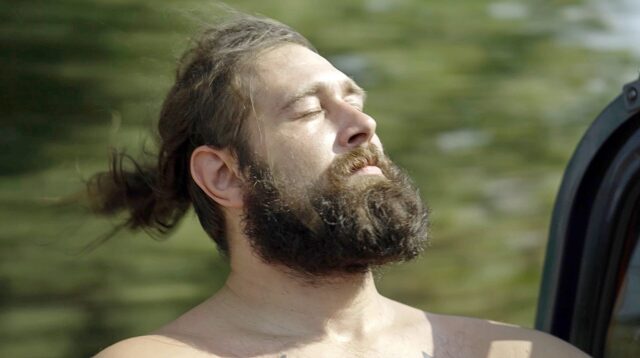
Marchyk further stresses how Cameo is an observational documentary filmed almost entirely from the protagonist’s point-of-view, eschewing interviews, voice-over narration and explanatory commentary.
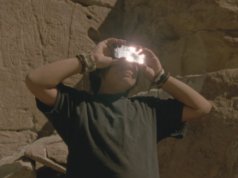
“As both director and cinematographer, I stayed close to the protagonist throughout the filming process. The camera observes rather than explains. We wanted viewers to feel present rather than informed,” the director underlines. “Visually, the film moves between two very different worlds. The frontline is filmed in forests, trenches, ruined villages, and temporary military shelters. The images are raw and immediate, reflecting the instability of life under constant threat. In contrast, the scenes with Albina [his girlfriend] in Odesa are calmer and more intimate, filled with small gestures, domestic routines, and moments of tenderness.”
“As the story progresses, these two worlds begin to collide. The visual language follows Cameo’s emotional transformation, moving from energy and hope toward exhaustion, uncertainty, and ultimately a difficult personal decision,” Marchyk adds.
Impact is high on the agenda with a film that raises difficult questions about duty, fatherhood and the personal cost of war. “We believe it can become a starting point for discussions not only about Ukraine but also about the human cost of war in general,” says Bierońska. “We are particularly interested in screenings accompanied by discussions involving veterans, psychologists, human rights organisations, students, and journalists. The film may also contribute to conversations about reintegration, trauma, and the challenges faced by soldiers returning from war.”
“At a time when public attention is shifting elsewhere, we hope the film can help maintain a human connection to what is still happening in Ukraine,” Marchyk further stresses. “Cameo is not simply another war documentary. It is a film about a deeply personal and morally complex decision. We hope KFF Industry will help us refine the project and connect with people who can support its international journey.”