

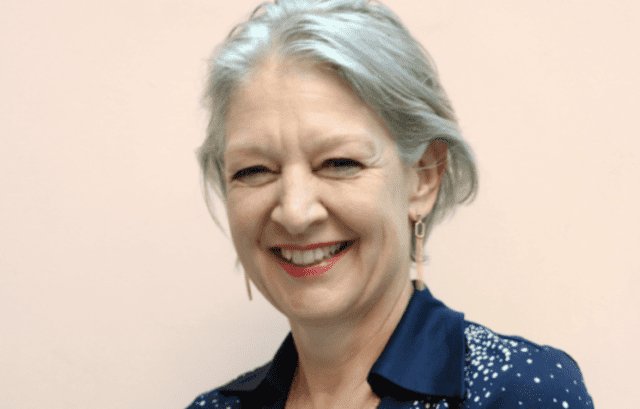
It’s been written before that March seems to be an extraordinary month for human rights film festivals, but Movies That Matter (MtM) Artistic Director Margje de Koning kicks into the long grass any assumption that such events are Spring-centric. On the contrary, MtM is one of 55 international human rights film festivals within the yearly calendar, all of whom aim to shine the spotlight on the most necessary of causes and promote most forcibly the case for maximum impact with the films and projects they select.
Movies That Matter 2025 presents two Grand Jury Competitions, one for documentaries, the other for fiction films, as well as other themed competitions; Activist Lens, featuring eight documentaries about the work of human rights activists; Justice Frame, which zooms in on the importance of the rule of law and the fight against impunity; and Dutch Focus, celebrating films from the Netherlands that broaden views on human rights.
27 shorts will compete in the Shorts Competition, and the Education Award, for which films that are part of the Movies that Matter Education Festival are eligible, highlights the importance of film in raising the social awareness of children and young people.
The most regrettable thing about organising a human rights film festival is that it has to be organised in the first place, de Koning laments to BDE. What’s more, when you successfully put together a programme, the times we live in have a tendency to overtake events as portrayed, such as in the case of Tim Gulliksen’s Facing War, made before Trump’s accession to the White House and his subsequent mangling of international diplomacy. “These are very nervous times, Nick,” stresses Artistic Director Margje de Koning. “Nervous times because you don’t know where we’ll be even in four days.”
De Koning recalls how she had planned a focus on the Turkish documentary industry in 2024 but the attacks of October 7 2023 and the subsequent bombardment of Gaza meant that the programme “resonated totally differently.” This year, the festival decided to eschew a territorial analysis in favour of a ‘Deep Dive’ interrogation of war as depicted in films from Chaplin (The Great Dictator), through Kubrick (Dr Strangelove) to Gulliksen’s analysis of NATO under Jens Stoltenberg as the organisation fights for peace against a backdrop of global strife.
Movies That Matter Industry once more offers a diverse programme of workshops, panel discussions, impact plan pitches, and masterclasses focused on film and human rights. In the ‘Meet the Activist’ programme, eight activists from the eight selected activist films will be introduced, while ‘The Reckoning Project: Ukraine Testifies’ presents four short documentary films that bear witness to the realities of the Russian invasion of Ukraine. These films document crucial testimonies and investigate war crimes and environmental crimes through the voices of those directly affected.
It is not insignificant that the festival is located in The Hague, home to the International Court of Justice. “There will be people from the International Criminal Court (ICC) here for sure,” says de Koning. “We are very linked to that and we have a whole day on international law at Movies That Matter.”
The festival’s Industry programme further presents a series of “take on” debates, such as on threats to journalistic freedom, on ‘scaling up’ your doc, and on ‘new beginnings’ during a professional event presented in collaboration with The AMIR Project and the Buddy Film Foundation, two organisations that use film to empower and support refugees.
March 25 sees the award ceremony for projects selected for the Take on Film & Impact programme and the Rough Cut Service, all of which are eligible for prizes given to recognise excellence in storytelling, innovation in impact strategy, and the power of film to inspire action.
Dutch films are very much in evidence in The Hague in 2025 with the world premiere of top Netherlands doccer Sunny Bergman’s Blue Balls and Other Rape Myths, in which the filmmaker explores why sexual violence is a problem of such epidemic proportions, and how we can break it. “The film covers the grey zone of sexual consent,” underlines de Koning, who also flags up the opening film The Promise(Daan Veldhuizen) about how, in the 1960s, international interests, geopolitical power struggles and economic motives colluded in derailing New Guinea’s path to independence.
Dutch Petr Lom will present the world premiere of his The Coriolis Effect, set in Cape Verde, ‘the place where hurricanes are born’. The film is described “a poetic documentary about our world spinning out of control.”
The festival’s new Oscar-qualifying status is vindication of de Koning’s belief in the marriage of form and content, of aesthetics and Impact. “For me, it’s a very simple rule. If a film is made with a great sense of craft, then more people will watch it,” which of course ups the Impact ante when a strong cinematic approach is combined with an urgent human rights theme. “Look at Facing War or Antidote or My Dear Theo, people will watch these as well because they are such good films to watch.”
“Platon (the noted UK photographer) always tells me about photography that it’s a weapon,” de Koning confides. “I prefer to say it’s an amazing tool, to open people’s minds and hearts and souls to change from grassroots to parliament. I’ve seen that happen again and again when showing films at Movies That Matter.”





