“What began as a playful creative experiment developed into a deeply personal story exploring the mother-son dynamic, the concept of home, and rebuilding distant family relationships,” explains Estonian producer Merili Laur of Beautiful Stupid Thing, selected for Baltic Sea Docs.
In the film, which is currently in post-production, director Carlos and his mother Angela reunite, and bond, after she takes the decision to migrate from Colombia to Estonia. It is a journey that transports mother and son from the pains of the past to the possibilities of the future.
“As global migration continues to rise, the film highlights the pressing need to maintain close family bonds across long distances, while addressing key themes such as shared emotional burdens and honest communication,” adds producer Laur. “What makes this documentary distinct is its playful approach, combining authentic archival material, recreated archive footage, observational moments, and intimate conversations between the characters.”
Laur stresses how her primary goal at Baltic Sea Docs is to build industry connections to help the film reach a broad international audience, while actively seeking sales representation and festival partners, as well as receive constructive feedback on her pitch materials to refine the project further. “The Baltic Sea Docs forum provides a good environment to present film projects to industry experts, build networks, and receive valuable feedback,” she notes.
She further points out the unique skills that director Lesmes brings to the 92-minute Spanish/English/Estonian-language project which is slated for release in 2027.
“Carlos has a strong background in documentary filmmaking and short fiction, which gives him the practical skills needed to direct both documentary-style filmings, as well as staged scenes and recreated archive footage,” she says.
“His experience also in installation design allows him to approach the narrative with a creative and open mindset. The core strength of the story lies in its universal appeal; though deeply personal, it touches on relatable themes such as relocating, staying connected from afar, and navigating grief through open dialogue. Financially, the business plan benefits from a strong bridge between Latin America and Europe, positioning the project well for international film festivals, cinema releases, broadcasters, and streaming platforms.”
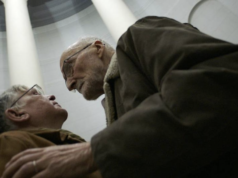
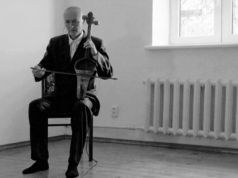
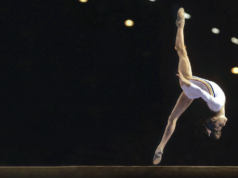
Beautiful Stupid Thing relies on a dynamic and varied visual approach, combining authentic archival footage, stylized recreations, staged scenes, and observational documentary material, Laur adds. “This multi-layered storytelling technique allows us to naturally bridge the gap between past memories and present reality. By blending analogue film textures with modern digital formats, the cinematic style creates a rich, immersive aesthetic. These contrasting media work together to mirror the complex nature of memory, distance, and personal history.”
Beautiful Stupid Thing represents the most personal film to date for director Lesmes, whose first documentary feature, A Loss of Something Ever Felt, premiered at Hot Docs in 2020 and received the Best Documentary Film Award at the Estonian Film and Television Awards in 2021.
“When my mother, Angela, came to Estonia I thought it would be good to film it [but] I didn’t understand that I was hiding behind the camera,” she says. “It was easier to make a film than just spend time together, and this catapulted the film into unknown heights. We had a joke on set that no idea is a bad idea. This meant we would engage with our imaginations and explore what each impulse meant.”
“We shot dream sequences, archive footage, a musical and road trips through Estonia. We built a house with threads and hired actors to play roles, all of this because imagining allowed for me and my mother to get closer to each other,” he adds. “The film became the place to explore our shared pains and the silences between us. The scars left by the murder of my older brother. I set out to create a space of playing that allowed for us to explore the past and the future through imagination, so the present could become clearer.”
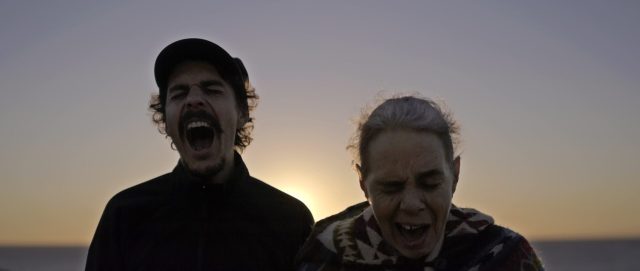
“The film is anchored in contrast, from the loudness of the games to the quietness of intimate conversations, because in that contrast, there exists space for the relationships to blossom and just exist. Like the sea at which we were yelling our pains away.”