CPH:DOX, running March 13-24, opens with a film that takes as its subject nothing less than the meaning of life. After all, this is one festival always ready to ask the big questions.
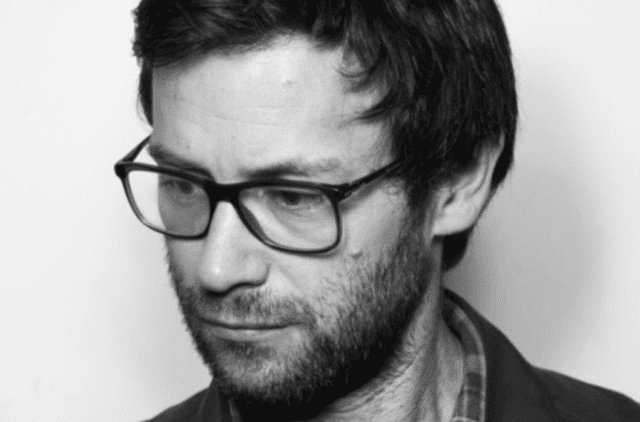
Artistic Director Niklas Engstrøm can’t hide his enthusiasm for Max Kestner’s Life and Other Problems, which will launch the event. The film starts with the debate over the killing of a giraffe at Copenhagen zoo and goes on to wrestle with big metaphysical and scientific issues.
“First off, I would say that watching the new film by Max Kestner has been one of the absolute highlights of the documentary year for me,” Engstrøm enthuses. “I really, really love this film.”
Danish director Kestner has been working on the project for seven years. Engstrøm and his team have been following its progress closely.
“There are so many great things about this film, there are so many layers in it,” he reflects. “First off, the film starts with this giraffe scandal in a Danish zoo 10 years ago when a giraffe was killed and it made headlines all over the world – and a lot of people got very angry. What they saw was a nice, beautiful giraffe killed for what they saw as no good reason.”
Engstrøm was fascinated by the scientific rationale behind the culling of the giraffe. “The interesting thing for me was that Max Kestner bought into the explanation from the zoo. It made logical sense [to kill the giraffe]. What Max does in this film is ask if they were actually right…this film is about life, it is about consciousness. It is about the meaning of it all. These are great, great subjects and Max gets into the heart of those matters.”
What especially appealed to Engstrom was the filmmaker’s intellectual curiosity and his modesty, in particular his acknowledgement that his own “truth might not be the absolute truth.”
“That openness is really of great value today in a world where we have very tense discussions and a lot of polarising conversations not least on social media.”
Those ‘tense discussions’ feature prominently in other parts of the programme. One of the themes in this year’s CPH:DOX is “conflicted.” The festival is taking place after a fractious Berlinale and an IDFA at which debate was dominated by the crisis in Gaza. The festival includes films on the fight for land and water in Kenya (The Battle for Laipikia), the threat of Chinese invasion in Taiwan (Invisible Nation) and the struggle for peace and forgiveness in the Middle East (I Shall Not Hate).
“Today, more than ever, the role of film festivals is so important in terms of providing a space for difficult conversations – conversations between people who do not necessarily agree. [It’s about] what art can do, what films can and especially what documentary filmmaking can do because it is so focused on real life,” Engstrøm holds forth.
“Documentaries are such a great way for starting these conversations…they have an artistic approach which opens up some holes in your mind which you might not always have open when you are reading a newspaper article of watching a TV clip or a clip on social media.”
Engstrøm acknowledges that all the various conflicts dealt with in documentaries this year are “all difficult to solve. [But] you can only go so far with weapons, destruction and soldiers. The role of film festivals is to provide a space for discussion, conversation and thinking.”
The festival director accepts that festivals can also be places for protest too. CPH:DOX is deliberately trying not to take a “clear stance” on some of the most polarising issues – and that could open the festival up to criticism.
“From the very moment of the explosion of the latest part of the conflict – the Hamas attacks on the Israeli civilians in September – it has been our approach that we are not going to take sides in this conflict. We have thought a lot about it because every human being will be moved, touched and horrified by what is happening in Gaza,” the director says, but adds that he doesn’t feel it is the festival’s place to call for a ceasefire. Instead, it is there as a platform for filmmakers to share their visions and express their opinions.
“I don’t know whether we will have protests. There have been protests at other festivals and it wouldn’t be a surprise if there are protests in Copenhagen.” Engstrøm says. “We may have protests, and protesting is a very valid form of human communication that has worked throughout history many times – so I welcome that. But I think that if you really want to make a change by protesting, then you have to think about who you should direct your protests toward.”
Engstrøm argues that it makes more sense to protest against people in political power than against film festivals.
The CPH:DOX programme may have several films that tackle current conflicts but there is also room for more light-hearted fare. For instance, the Sound & Vision section has the world premiere of James Rogan’s new film Abba: Against the Odds, telling the story of one of the ‘ultimate pop bands.’
“That is part of the horrible beauty and the fascinated paradoxical state of being a human in these days that we’re have these terrible events going on but we also have happiness, music, love, dancing! I don’t think the world is in a worse place if you dance to ABBA on a Saturday night and the day after, you go out to a protest against the things you think are wrong.”
CPH:DOX is happening few weeks after Mati Diop won the Golden Bear at the Berlinale with her feature documentary Dahomey. Engstrøm sees the increasing prominence of docs at major festivals like Venice, Cannes and Berlin as something to be celebrated rather than feared – a sign that the documentary form is being treated with the respect it deserves.
This year, there will be an emphasis on “body politics” in several of the films and discussions.
“Why right now? We have been talking about ableism and accessibility at this festival in the last few years. We have been approached by filmmakers with hearing problems or wheelchair users. They’ve been telling his that CPH is a great festival [but] it is not great when it comes to accessibility for people with different types of handicaps. Therefore, we decided to try to start this conversation as a festival and also to start the conversation with cinemas here and other venues [about] what we can do to make Copenhagen cultural life a more inclusive and accessible affair.”
Engstrøm has been involved in CPH;DOX since the festival was launched 21 years ago. “I was a young film nerd mostly interested in fiction and then I started watching these documentaries and just saw how amazing it was, creating art out of reality,” he says of his own conversion to the documentary cause.